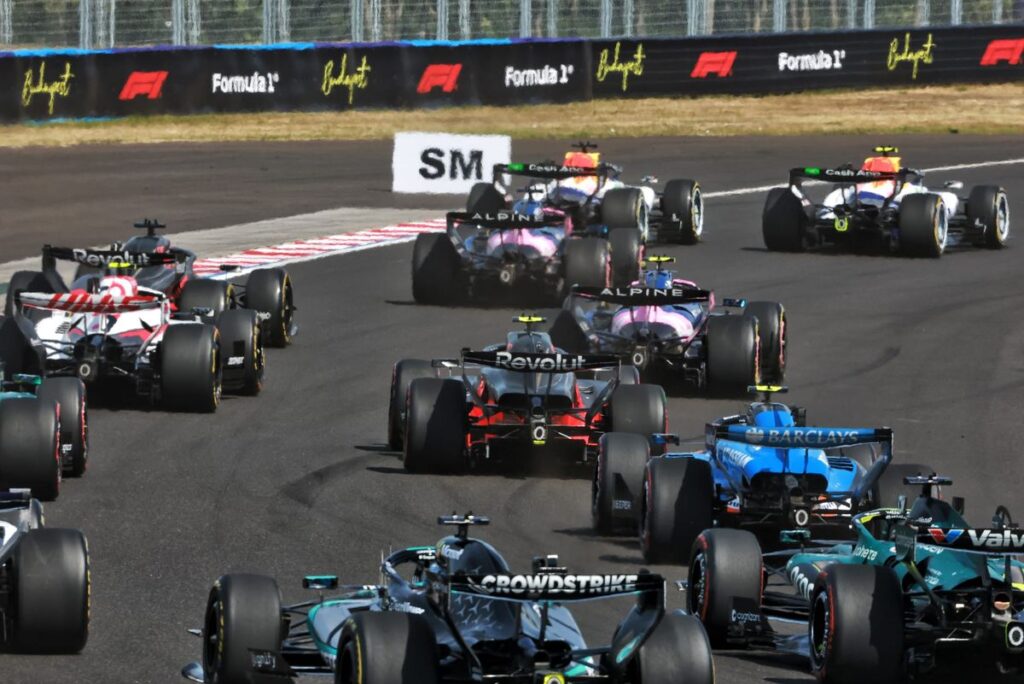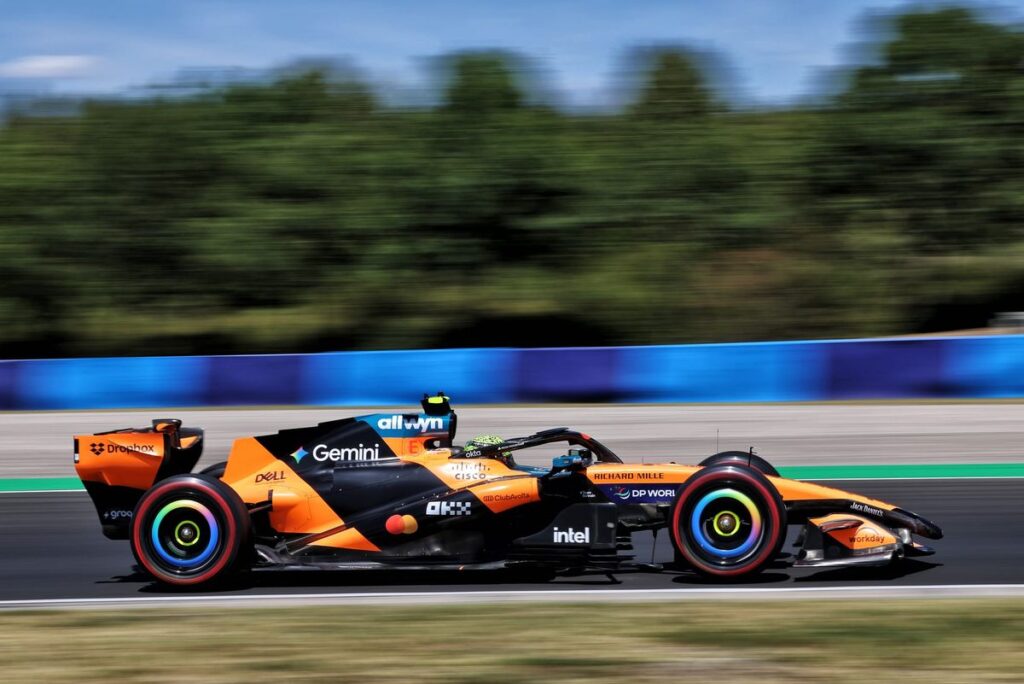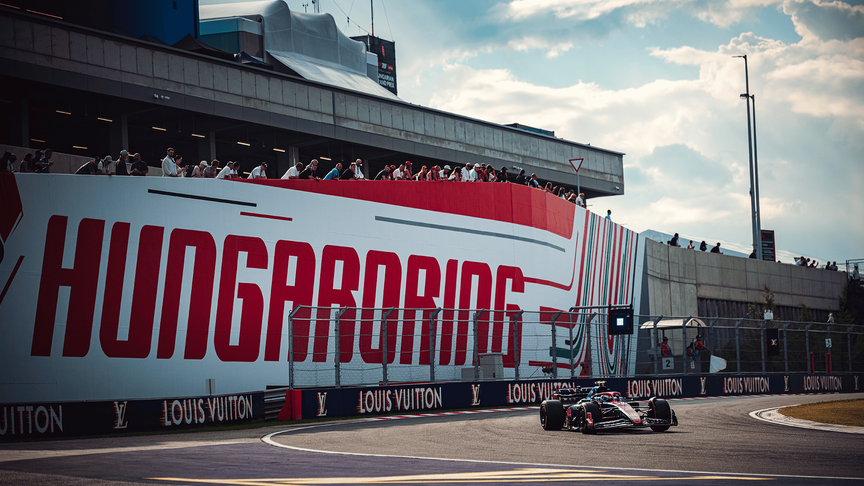

There is expensive, there is supercar expensive, and then there is Formula 1 expensive. A nice road car asks for money. An F1 car inhales it. When we discuss the cost of an F1 car, we are actually referring to three distinct aspects: the price of a finished car, the expenses a team incurs for building, running, and developing it, and the cost of the engine and technology behind the entire project. Those are very different numbers, and none of them are small.
A modern Formula 1 car is commonly estimated to cost a little over $20 million to put together, with the power unit and hybrid systems doing most of the damage.
That number is only one part of the much bigger picture. In reality, an F1 team is not building only one car. It’s building two cars, a mountain of spare parts, multiple aerodynamic packages, replacement floors, extra wings, backup suspension pieces, and endless updates because the car you launch in February is never the car you want to be racing in July.
One car is expensive. A full season is something else.
This is where the famous budget cap comes into play. Under the FIA’s current team financial regulations, the F1 team cost cap is set at $135 million for a 21 race season, with adjustments if the calendar is shorter or longer. For the 2026 ruleset, the FIA’s published financial regulations for F1 teams raise that baseline to $215 million for seasons with up to 24 grands prix. That’s not the sticker price of one car, but the ceiling on a large chunk of team spending tied to performance.
Formula 1 has long explained that the cap covers spending that affects car performance, not every line on the company’s books. Big ticket items such as driver salaries, some senior staff pay, and certain marketing costs don’t fall into that.
Then there is the engine side, which deserves its own dramatic soundtrack. The FIA’s separate financial regulations for power unit manufacturers set the power unit cost cap at $95 million for 2024 and 2025, rising to $130 million from 2026 onward. That reflects how expensive F1’s hybrid engine business is
The Power Unit Is Where the Numbers Get Absurd
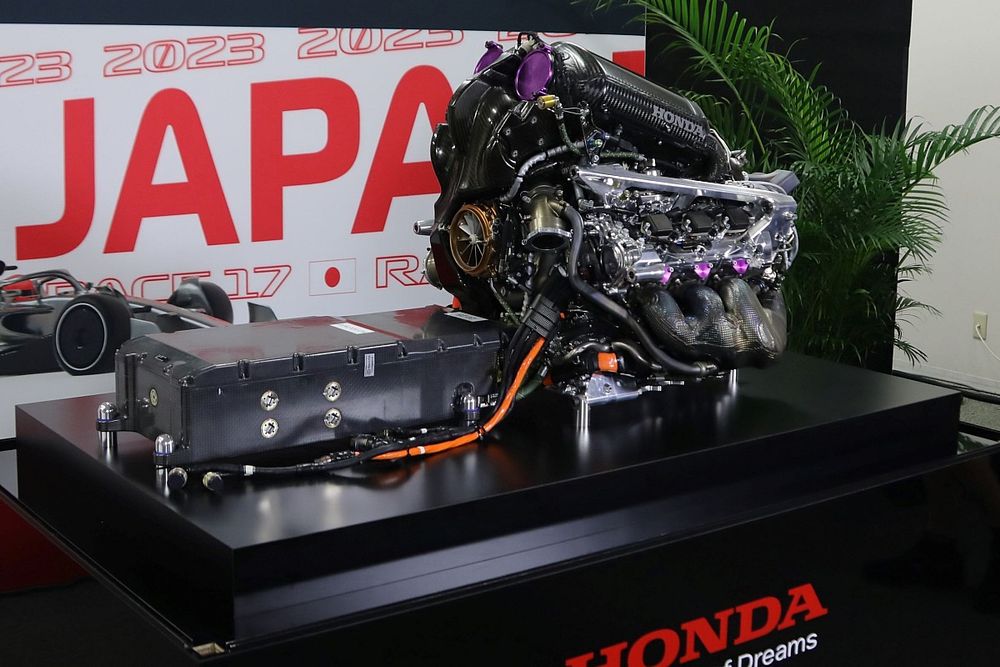
If you want to know why an F1 car costs so much, start with the power unit. It’s not just the engine, but a dense, deeply complicated hybrid system packed with performance engineering, energy recovery, electronics, and precision manufacturing. A single unit costs around $4.6 million to build, while engine supply over a season can run to around $16 million.
That alone explains why the idea of “just build another one” sounds great only until the finance department steps in. F1 cars are not expensive because they are gold plated toys. They are expensive because every major system is custom, low volume, obsessively refined, and designed to survive savage speeds while still being as light and efficient as the rules allow.
There’s almost nothing normal about them. The smallest part has a price tag of a brand new family wagon.
Take the chassis first. On its own, that can land at around $1.33 million.
The gearbox is often put at roughly $1 million.
A front wing can cost close to $200,000, while the steering wheel comes in at about $66,000.
Then the numbers get even higher. One estimate cited by Red Bull’s magazine content puts a full front and rear wing package at roughly $230,000, and each of the three seasonal engine units at around $11.5 million.
Carbon Fiber Is Not Kind to Budgets
The material side of Formula 1 is part of the reason the numbers climb so quickly. These cars are built around exotic composites, advanced metals, intricate cooling layouts, brutal aerodynamic demands, and microscopic tolerances.
And because Formula 1 is a development race, the cost is not frozen when the first car is assembled. The car keeps getting more expensive. Teams bring upgraded floors, revised sidepods, new beam wings, lighter suspension bits, fresh cooling solutions, and tiny changes that would look minor to normal people and absolutely life changing to aerodynamicists.
Crashes Are the Worst Nightmares
The cost cap era has also made crashes feel more painful. Before the cap, a big team could often throw money at a problem and move on. Now a heavy crash can eat into the same pool of money that might otherwise have gone into upgrades.
The front wing is not just broken carbon. It can be lost lap time, lost development, lost testing plans, and a lost chance to bring that shiny new update package a week earlier. In a sport where margins are already small, the price of one mistake can echo for months.
So, How Much Does an F1 Car Really Cost?
One modern Formula 1 car is generally estimated at a little over $20 million, with the power unit eating up most of the expense.
In short, one car costs more than a mansion. One season costs more than a small company. One crash can cost what most people would call retirement money. And yet teams are ready to pay for all of it because shaving a tenth of a second off a lap makes it all worth it.