
Formula 1 is getting one of the biggest resets the sport has seen in years. The cars are changing, the engines are changing, the way drivers manage energy is changing, and even the old DRS idea is being pushed aside for something more complex. The point of all this is not just to make the cars look different. F1 wants lighter cars, cleaner energy use, more road relevant technology, and racing that gives drivers more to do than simply sit in dirty air and wait for one activation zone.
What exactly would those changes do on a track? Some of them should be easy for fans to notice right away. Others will take a few race weekends before people really understand them.
The Cars Are Smaller And Lighter
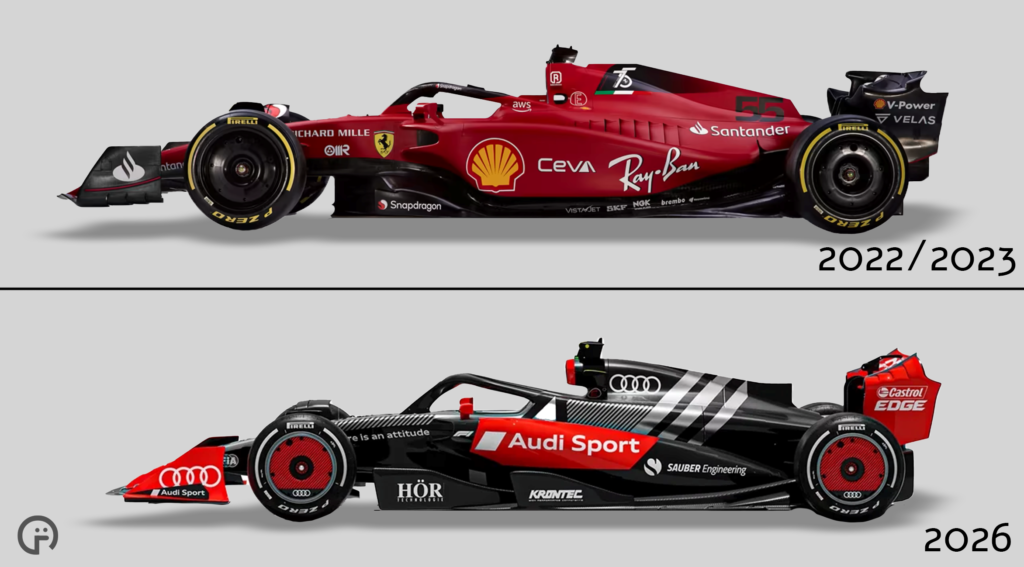
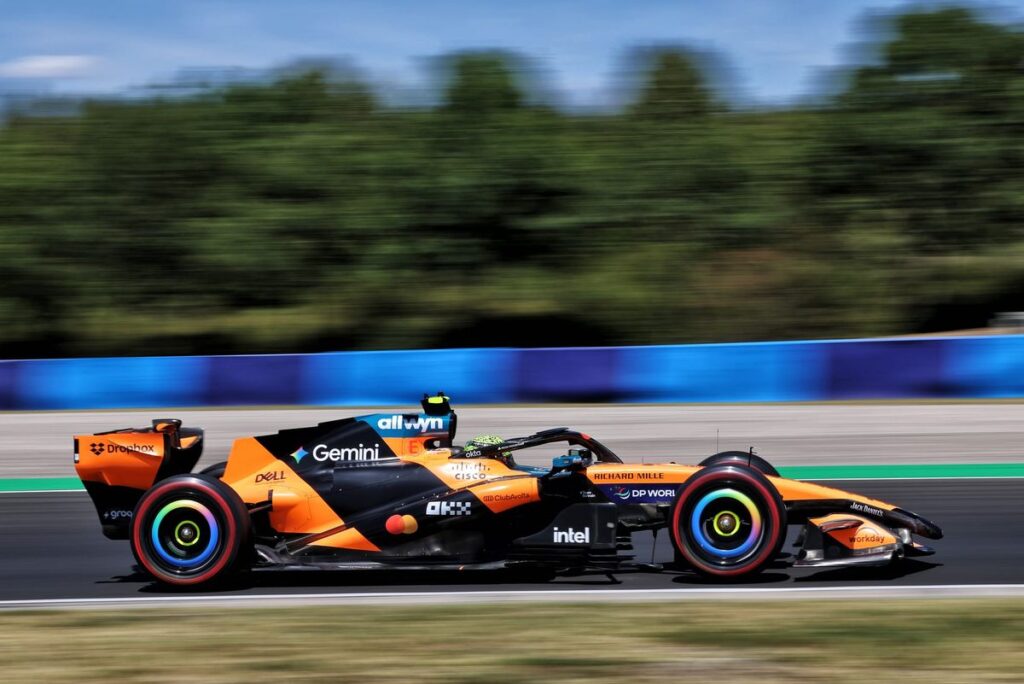
The most obvious change is the size of the cars. F1 has decided that the current generation has become too big and too heavy, so the 2026 machines are being pulled back. The wheelbase is reduced by 200mm to 3400mm, the width drops by 100mm to 1900mm, the floor width is cut by 150mm, and the minimum weight is reduced by 30kg to 770kg. The tires stay 18 inch, but the fronts are 25mm narrower and the rears 30mm narrower.
This has a big effect on how cars behave. Recent F1 cars have often looked huge in slow corners and awkward in wheel to wheel moments. Smaller dimensions should help them feel more responsive and less bulky, especially in tight sections and direction changes. It won’t turn F1 into 1990s F1 overnight, but it should move things back toward a faster car.
Active Aerodynamics Replace the Old DRS Idea
The best known overtaking aid of the last era, DRS, is being replaced. In 2026, F1 is moving to active aerodynamics with movable front and rear wings. These wings will switch between different modes, including settings for corners and straights, instead of relying on the older rear wing flap system.
This is a big change. DRS was simple: open the wing in a specific zone if you are close enough. The new system is broader than that. Active aero is meant to reduce drag on straights and help with grip in other parts of the lap, while working with the new energy systems. In other words, overtaking is no longer built around one familiar button and one familiar flap. It becomes part of a bigger package involving aero shape, battery deployment, and driver timing.
For fans, this may take a little time to get used to it. DRS was easy to understand. The 2026 version is more complicated, focusing on several things at once. When is the car in straight mode? When is it harvesting? When is the driver attacking? That extra complexity could make races more interesting, but it may also mean the first few weekends feel a bit confusing.
The Power Unit Is Also Changing
The engine rules are just as important as the aero rules. F1’s 2026 power units keep the V6 turbo hybrid idea, but the balance changes heavily. The sport is moving toward an approximate 50/50 split between internal combustion power and electric power. The MGU-H is removed, while MGU-K output jumps from 120kW to 350kW. On top of that, the cars will run on advanced sustainable fuel.
For years, F1 hybrids were already complicated, but now they rely even more on electrical performance. This is one reason the new rules attracted strong manufacturer interest. Formula 1 entered with five power unit manufacturers on the grid: Mercedes, Ferrari, Red Bull Ford, Honda, and Audi.
The practical effect is that battery use becomes central to lap time, overtaking, and defense. Drivers and teams will need to think much more carefully about when energy is saved, when it is spent, and how much is left for key moments in the lap. That should make races more tactical, but it could also create bigger swings between teams that understood the assignment immediately and the ones that are still struggling.
Drivers Will Have More to Manage During the Race
This may be the most interesting part of the whole change. The 2026 rules put more race management directly in the driver’s hands. F lays it out clearly: drivers will deal with Recharge, Boost Mode, Overtake Mode, and Active Aero as linked parts of how they race. Recharge covers the ways the battery can recover energy, including braking, partial throttle and lift off moments. Boost Mode gives the driver direct control over energy deployment. Overtake Mode gives extra power when a driver is within one second of the car ahead.
That means the driver’s workload goes up. In the old DRS era, a lot of overtaking structure was decided by fixed zones and a simpler trigger. In 2026, a driver will have more tools, but also more decisions to make.
The Floor and Aero Are Being Toned Down
Another important shift is underneath the car. The 2022-2025 era was heavily defined by ground effect tunnels and the search for downforce from the floor. For 2026, F1 is stepping away from it.
The long ground effect tunnels are gone, the floors are flatter, diffusers are extended with bigger openings, and overall downforce is reduced by roughly 15%-30%, while drag could be reduced by up to 40 percent.
The recent F1 design became very floor dependent, as teams chased aero efficiency in such extreme ways that cars could become difficult in traffic and highly sensitive to setup choices. A flatter floor concept may open the door to more variation in how teams choose to set up their cars, and that could make performance gaps look a little different from track to track.
Safety And Sustainability
Not every 2026 change is about speed. The FIA also said the new rules include stronger structures, tougher safety tests and a broader push toward sustainability. The sustainable fuel plan is one of the headlines, because F1 wants to keep high performance combustion while lowering the environmental impact.
Essentially, Formula 1 wants to look modern without giving up what makes the category Formula 1. So the sport has tried to keep speed, hybrid complexity and manufacturer appeal, while changing the fuel and increasing the electric share of the power unit. Whether fans love every detail or not, the direction is pretty clear.
So the new rules are focused on how an F1 car should work. Smaller cars, less drag, less downforce, more electrical power, sustainable fuel, active aero, and more responsibility for the driver. The teams all say they are ready, but we’ve yet to see how many of them can prove it.
Last Minute Rule Tweaks After Early 2026 Races
Even before the 2026 season has properly settled, Formula 1 has already started adjusting its brand new rules. After just a few races, teams and drivers raised concerns about how the new systems behaved in real race conditions. The FIA reacted quickly, approving a set of updates that will begin rolling out from the Miami Grand Prix.
One of the biggest issues came from energy management. The original idea behind the new hybrid system was to make drivers more involved, but in practice it sometimes forced them into extreme “lift and coast” driving just to save battery. That created strange situations where cars were not pushing flat out for large parts of the lap.
To fix this, the FIA has reduced how aggressively energy needs to be saved and adjusted recharge limits, allowing drivers to push harder more often. This should make races feel more natural again, with fewer obvious slow phases where drivers are just managing systems instead of racing.
Another important change involves Boost Mode and overall electric deployment. Early races showed that the high electrical output could create very large speed differences between cars, especially when one driver had energy available and another did not. That led to concerns about safety, particularly after incidents where closing speeds became unpredictable.
The FIA has now capped and refined boost deployment levels to reduce those extreme speed gaps. The goal is to keep overtaking possible without making it feel artificial or dangerous.
Safety has also been a major focus. After incidents in the opening races, new measures are being introduced to handle race starts and low speed acceleration issues. One experimental system being tested can detect unusually slow launches and temporarily allow extra electric deployment to prevent dangerous situations off the line.
There are also updates aimed at wet weather racing, an area where the new cars struggled early on. Visibility and grip have both been addressed, with changes to tire performance and procedures intended to make racing in the rain less risky and more consistent.
Qualifying is another area getting attention. Under the original 2026 rules, energy limitations sometimes meant drivers could not push flat out for an entire lap, which goes against the basic idea of qualifying. The new tweaks are designed to encourage full power qualifying laps, making sessions easier to understand and more exciting to watch.
What’s striking is how quickly these changes arrived. Drivers openly criticized the initial version of the rules, with some even questioning whether the new cars were too complicated or too restrictive. The FIA, teams, and manufacturers responded with a rare level of cooperation, using real race data to adjust the regulations almost immediately.
In practical terms, these updates don’t rewrite the 2026 concept but they fine tune how it works on track. The cars are still built around heavy electrical power, active aerodynamics, and driver controlled systems. What’s changing is how extreme those systems feel in real racing conditions.