
Red Bull Racing
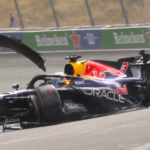
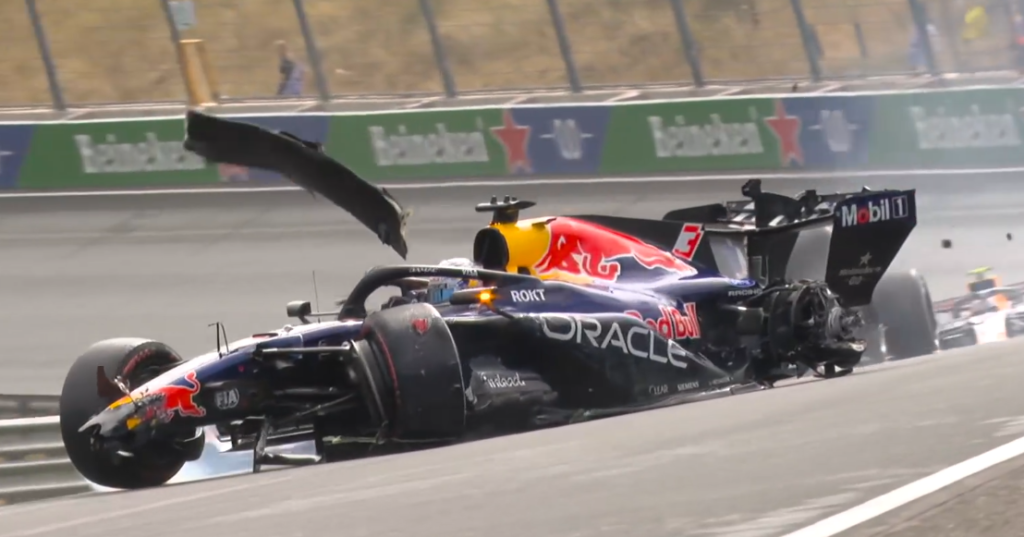
Red Bull’s package this weekend is interesting because two of the five updates are listed under “Reliability” rather than pure performance, which tells you something straight away. The sidepod inlet has been re-profiled and pushed downwards and rearwards, and the engine cover had to follow suit to meet the new floor junction line. This is not about finding lap time on its own. Red Bull clearly had an airflow issue into the radiators that became a concern, and they sorted it properly rather than patching it. Then they built performance updates around it, revising the floor surfaces and floor board louvres, the rear suspension fairings and the rear corner winglets. All that work at the back is chasing local aerodynamic load, which is basically grip through corners without adding physical drag. On a track like the Red Bull Ring where traction out of the slow corners is worth a lot, this kind of rear mechanical and aero balance work translates very directly into race pace. If this all works as a package, expect Red Bull to be very stable through Turns 3 and 6.
Ferrari
Ferrari come here with a proper update on the front wing endplate, extending their Spain work with a new diveplane and footplate vane arrangement. That is a performance item focused on local load, which means more front downforce and better flow to the underfloor. But what stands out more in their documents are the three items listed specifically as free practice test items for “correlation.” The RV Tail element removal, the floor board change and the mirror stay shortening are not about finding lap time this weekend. Ferrari are checking whether their computer models match what actually happens on track. This is not a bad sign, it is smart engineering. You only invest in correlation work when you have a strong development pipeline behind it and you need to validate the next step. Whatever they learn in practice in Austria will likely show up as proper hardware at Silverstone or Budapest. Exciting for the long term.
Mercedes
Two updates, modest on paper but both quite clever. The front suspension leg fairing angle of attack has been adjusted, which sounds tiny but directly affects how cleanly air arrives at the sidepods and rear. And the engine cover rear exit has been made narrower, which gives the engineers more ability to tune how much cooling goes through the louvres versus out the back. In hot, high-downforce conditions the rear exit cooling can actually bleed useful pressure away from the diffuser, so narrowing it and pushing more flow through the louvres is a genuine aerodynamic and thermal management gain together. Mercedes are not throwing a massive upgrade package here, they are refining. For a team that has been chasing balance issues, these details matter more than they look.
McLaren
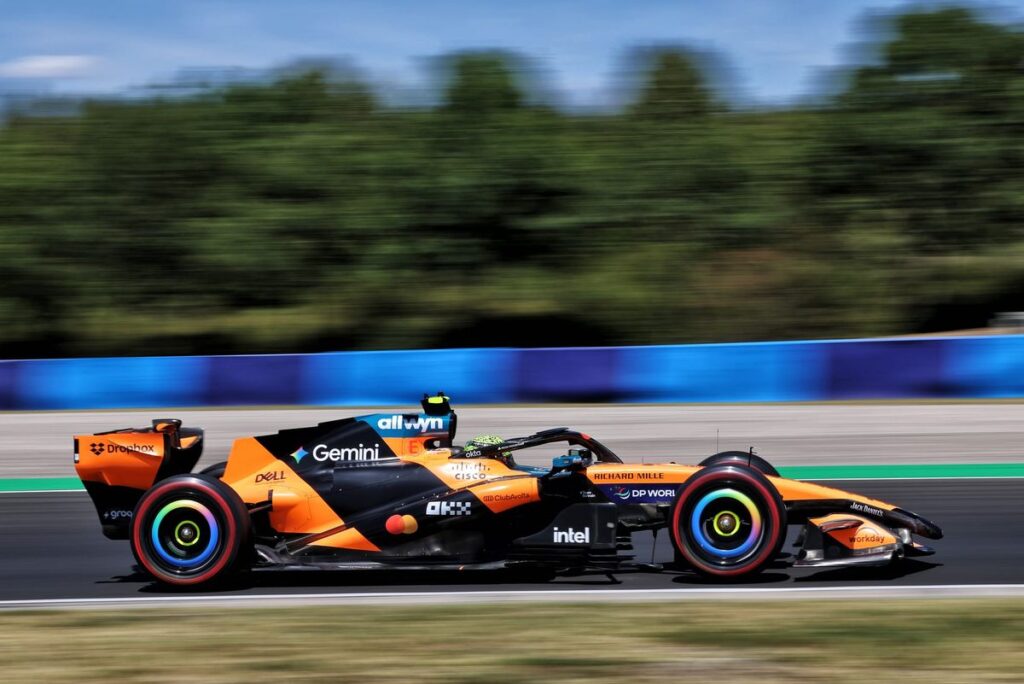
McLaren bring two updates but one of them is particularly interesting for this specific circuit. The rear wing Straight Line Mode flap position change means their DRS activation on the long straight towards Turn 4 will drop more drag than before, giving a bigger top speed delta when defending or attacking. For the Austrian GP where overtaking relies heavily on that straight and the braking into the hairpin, this is a very track-specific decision. The rear brake duct inlet change helps flow conditioning around the rear corner, adding load and improving tyre behaviour at the back. McLaren look like they have prioritised race pace and tyre preservation as much as pure qualifying speed here, which is a sensible call given how important tyre deg is at the Red Bull Ring.
Audi
Seven components updated for Audi. Seven. This is a big package and it is essentially a full rear-end overhaul. New rear floor, rear corner deflectors, rear suspension geometry, beam wing and rear wing all working together. The documents make clear that these are not isolated parts, they were designed as a system. The new floor creates different loads and flow conditions, so the rear corner and suspension fairings had to be redesigned to handle those new conditions, and then the beam and rear wing were updated to extract load from the cleaner flow the floor now delivers. When you redesign in this connected way rather than bolting on individual parts, the aero gains tend to be bigger and more predictable. Audi are still a developing team in terms of competitiveness but a package of this size and this level of integration shows a factory that is learning how to develop a car properly. Watch their rear stability in the high-speed section.
Alpine
Alpine bring arguably the most headline-grabbing single item here, which is a completely new front wing. Not an evolution, a new design. New mainplane, new endplate, new nose to integrate it. The nose being updated as part of the front wing redesign is a big commitment because noses are expensive and time-consuming. This tells you Alpine genuinely believe this new wing concept is a step change rather than a small gain. The front wing is the first aerodynamic surface that touches the air, so getting it right feeds every other aero element downstream. A new front wing that generates better quality flow will improve the sidepod, floor, diffuser and rear wing all at once, because they all see cleaner air. If this works, it will not just show in qualifying but across the entire race stint as tyre behaviour improves through better aero balance. Alpine could surprise people this weekend.
HAAS
Haas have two changes, and the cooling louvre addition is straightforward preparation for the warm Austrian conditions. Two extra gills on the sidepod means more heat can escape without changing the main inlet area, which is a low-risk way to add cooling buffer on a warm race weekend. The front brake duct revision is more interesting technically. The brake duct at the front corner does a lot more than just cool the brakes. It manages airflow around the front tyre and downstream towards the sidepods. A smoother scoop configuration that reduces local losses will improve rear aerodynamic performance indirectly, and Haas note they also had to revise the suspension leg fairings simultaneously to preserve efficiency. Small team, sensible targeted work.
Racing Bulls
The Racing Bulls exhaust tailpipe has been lowered and re-bracketed. This might sound like a plumbing job but the position of the exhaust exit relative to the diffuser and rear wing is quite sensitive. Lower positioning changes how the hot exhaust gases interact with the underbody flow, helping rear wing performance. Their diffuser trailing edge device refinement works together with this, improving flow conditioning at the very back of the car. Neither item is dramatic but together they are targeting the same goal: make the rear wing and diffuser work more efficiently without changing the wing specification itself. Clever low-token-cost aero development.
Cadillac
Cadillac have six updates and they are almost entirely about getting the cooling system right, with flow work layered on top. As a new team in 2026 with a new power unit package, getting cooling under control is genuinely fundamental. A too-small inlet can force you into a higher drag cooling solution or worse, into power unit protection modes during a race. The enlarged sidepod inlet with an updated coke profile and matching louvres gives them both more raw cooling capacity and better ability to tune how it is distributed. The mirror stay and roll hoop leg fairing changes then clean up the airflow quality to the rear of the car. The secondary goal is making sure all that bigger sidepod work does not come at too high an aero penalty to the rear. This is foundational engineering for a new team. Get it right and the car becomes properly raceable in all conditions.
Both teams arrive with nothing submitted. Williams have had a difficult recent run and with no updates here they are clearly conserving resources or waiting for a larger package later in the season. Aston Martin have been in rebuild mode all year and their development rate has slowed significantly. No updates at a race is not always bad news but two teams bringing nothing in the middle of the season does suggest budget or resource decisions have been made elsewhere on the calendar. Silverstone might tell us more.