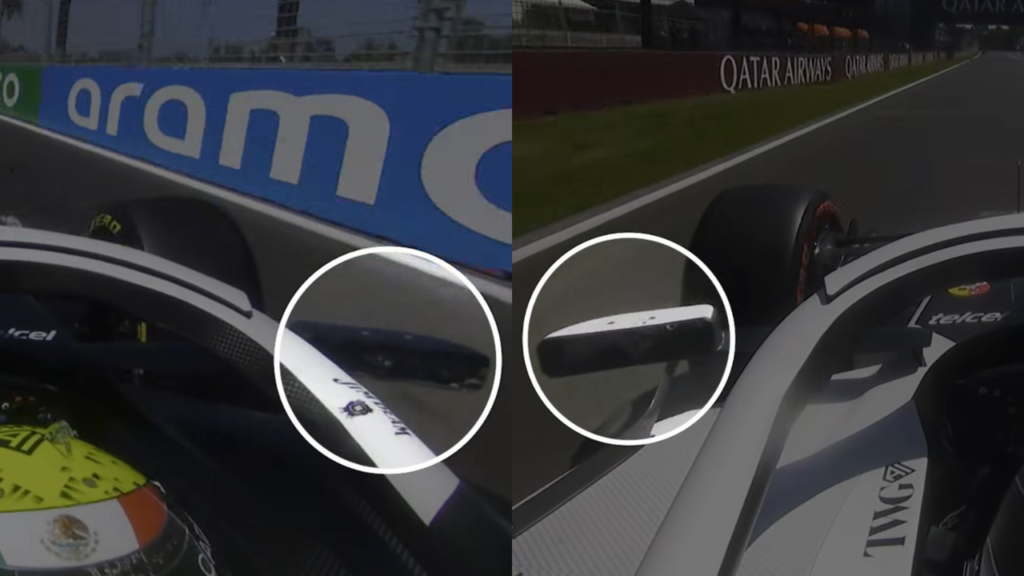

The new season is finally here, and the show begins in Melbourne on March 8th, 2026. It is the first proper look at a completely different version of Formula 1. The cars are smaller, lighter, and built around sweeping new chassis and power unit rules. DRS is gone in its old form. Active aero is in, which means that energy management is going to be a crucial point in every team. Race starts have changed. And for the first time in a long time, the grid arriving in Melbourne is both familiar and brand new at the same time.
That is what makes this weekend at Albert Park such a good opener. Melbourne has always had that season start electricity anyway. The city shows up, the paddock wakes up, and everyone’s on their feet waiting to see the new cars.
For the race winner in Melbourne, Russell is commonly priced around 9/4 (about +225). Behind him it’s a tight bunch: Max Verstappen sits around 9/2 (+450), Charles Leclerc around 11/2 (+550), and then Lewis Hamilton is usually next in line at roughly 8/1 (+800). After that you’re looking at the “if things get weird” tier: Kimi Antonelli is often around 17/2 (+850), Lando Norris around 8/1 (+800), and Oscar Piastri around 14/1 (+1400), depending on the sportsbook.
Testing gives hints, but Australia gives answers. After two Bahrain tests and a Barcelona shakedown, the early feeling is that McLaren, Mercedes, Ferrari and Red Bull make up the likely front group. Nothing new here. However, the midfield looks busy, Cadillac is making its debut as the 11th team, Audi is beginning its first season as a full works outfit while Aston Martin is still struggling with their bolide.
The driver’s parade starts at 13h local time, and the race of 58 laps two hours later.
The 2026 Cars Are the Biggest Story
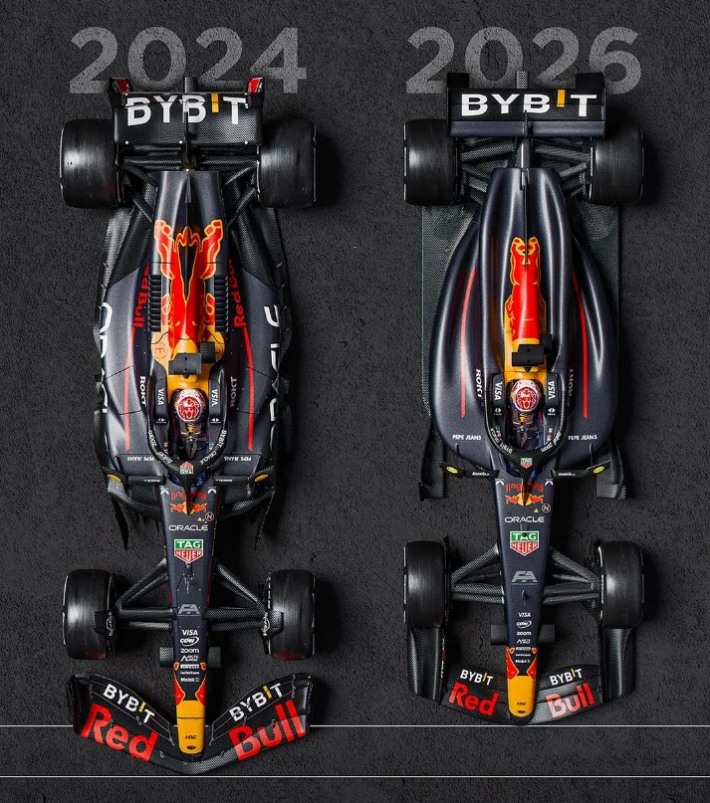
Every season there are some minor changes, but this one is going to be genuinely different. The headline change is Active Aero. On straights, the cars can switch into a low drag configuration, flattening the wing elements to reduce drag and build speed. In corners, the wing settings revert for grip. DRS as fans knew it is gone, replaced by this wider aero system and a separate Overtake Mode, which still gives the chasing driver an advantage if they are within 1 second.
The new rules also made the cars smaller and lighter, and the FIA said drivers came away from early running with positive feedback on the reduced dimensions, better ride quality, and stronger initial acceleration. That’s going to be tested in Albert Park this Sunday, a track which rewards pace, quick direction changes, and a front end drivers can trust when they throw the car into medium and high speed sections.
There is more to it than wing tricks. The MGU-H has been removed from the power unit package, which changes launch and is one reason race starts are expected to look a little different. The FIA introduced a pre start warning to help drivers build revs before they get a go.
Ferrari powered cars were among the quickest away from the line on average in testing, which could matter immediately in Melbourne, where the opening corners can still produce drama.
The tires changed too. Pirelli’s tires remain on 18 inch rims, but they are narrower, with a reduced contact patch and smaller overall diameter. The early expectation is that teams will spend the opening sessions learning how best to balance temperature across the axles, especially with these new power delivery patterns. Melbourne is not the harshest circuit on tires, but it has enough unknowns this year to make strategy less obvious than usual. Two stops are the usual tactic, but with everything going on there might be some changes.
When drivers talk about these cars, the tone has mostly been the same: the machines feel different, often livelier, and still not fully understood. That is exactly the sort of setup that can make the first race of a regulation cycle feel messy, clever, and fun all at once.
Melbourne Will Show Us the First Shape of the Grid
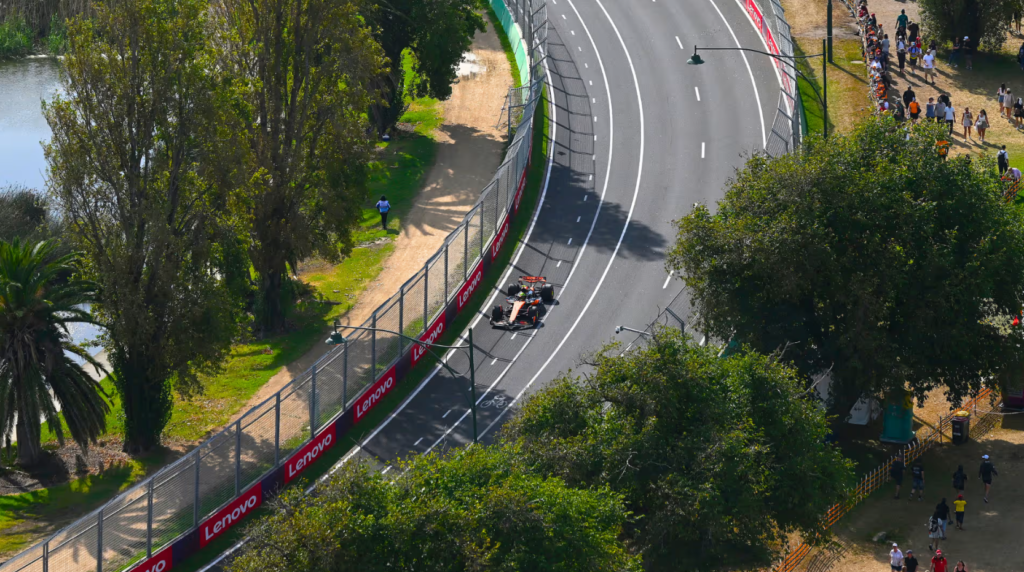
Pre season testing always comes with smoke screens, but a few patterns still come through. Predictions are putting Mercedes back in the saddle, with Toto’s clever solution for the car, which he defended as not being a loophole in the rules, but a smart engineering. For the season long Constructors’ Championship, Mercedes is the outright favorite at around +120 (6/5), with Ferrari and McLaren basically sharing the next line at about +250 (5/2). Red Bull is being priced more cautiously than you’d expect from the last few years, sitting around +700 (7/1). Everyone else is way back: Aston, Alpine, Williams, Audi, Haas, Racing Bulls, and Cadillac are all in long shot territory for the full season team title.
- Ferrari looks like a genuine threat. Lewis Hamilton, now entering his second year with the Scuderia and his 20th season in Formula 1, said his goal for 2026 is to win. Honest and simple. Ferrari also emerged from testing with solid mileage, and rivals and media have already spoken about the team as one of the favorites.
- Mercedes has the sort of test result engineers love: lots of laps, useful data, and no obvious need to oversell anything. George Russell described reliability as a key area to improve, but he also said the car felt good and the new power units felt fast. In a season where teams are learning brand new tools, that sort of calm competence can go a long way.
- McLaren arrives as the reigning champions, in both categories, with Lando Norris as the defending champion. Oscar Piastri said the team was getting more optimistic as testing went on, yet he also warned that expecting McLaren to repeat the kind of early Melbourne dominance it showed a year ago would be too hopeful. Last year was riddled with bickering between Lando’s and Oscar’s teams, so let’s hope that they settled whatever differences they had.
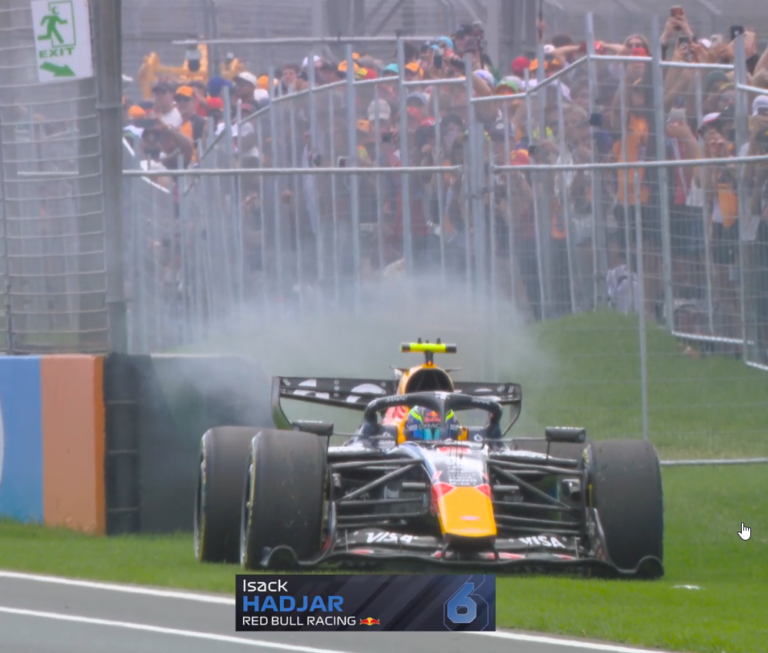
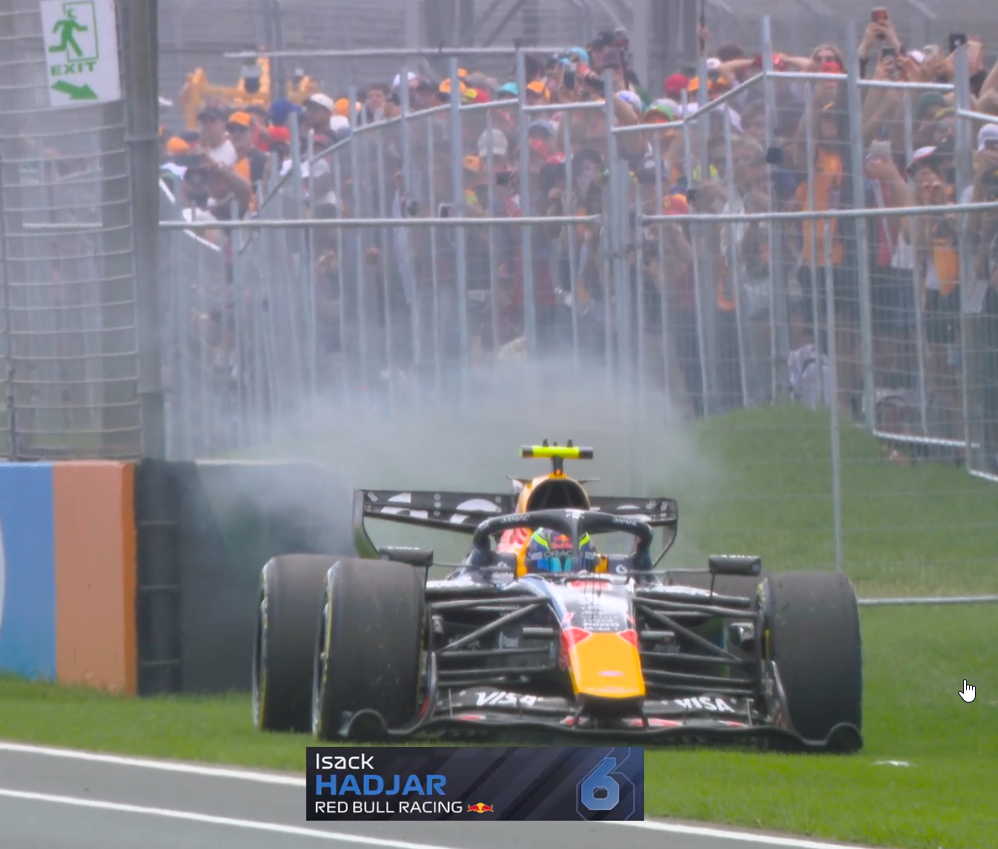
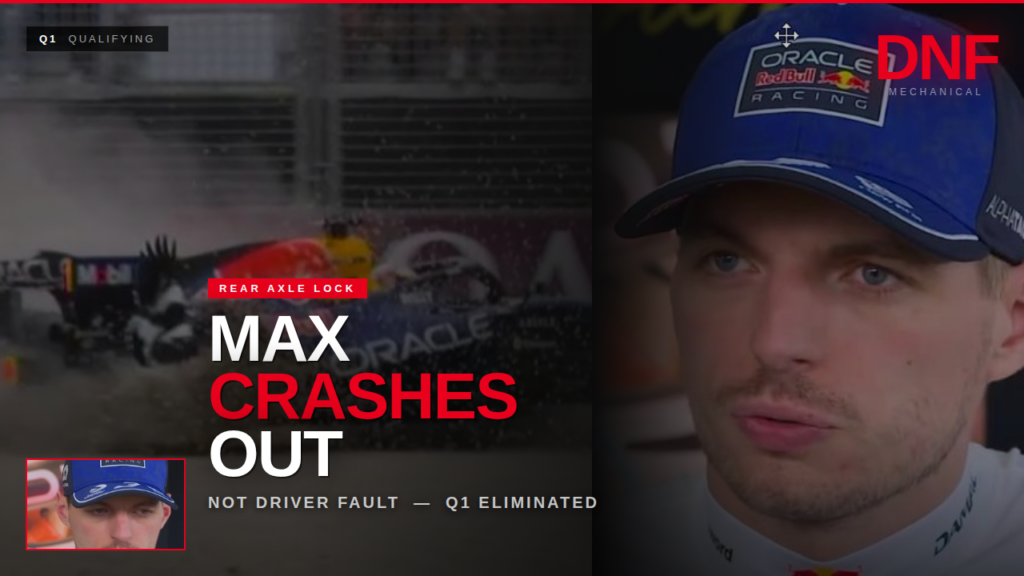
- Red Bull, meanwhile, sounds realistic. Max Verstappen said the team had a decent pre season and built a good foundation, but he was also blunt that if Red Bull want to fight at the front consistently, they still need more speed. Red Bull has the ongoing problem of being slower than other cars, so having Max behind the wheel might be their only saving grace.
The point is that there’s probably a top four, but there may not be a runaway favorite yet. Melbourne should give us the first proper shape of the front end of the grid, not the final answer for the whole year.
Cadillac Finally Arrives, And Perez Plus Bottas Give the Team Instant Credibility
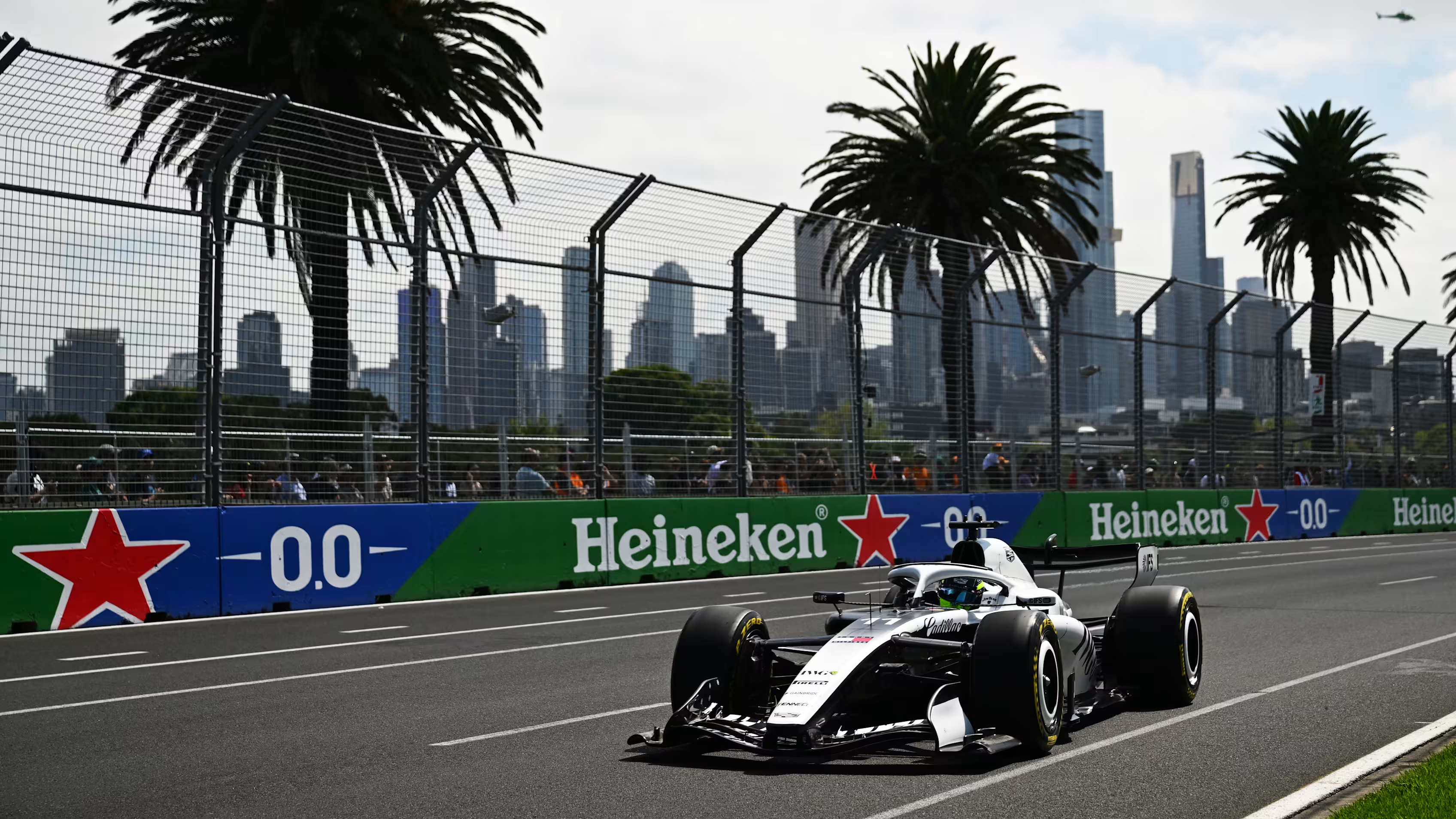
One of the freshest things about this weekend is seeing Cadillac roll onto the Formula 1 grid for the first time as the sport’s 11th team. That alone changes the feel of the paddock. F1 likes heritage, but it also likes a big new badge with real ambition, and Cadillac has turned up with exactly that.
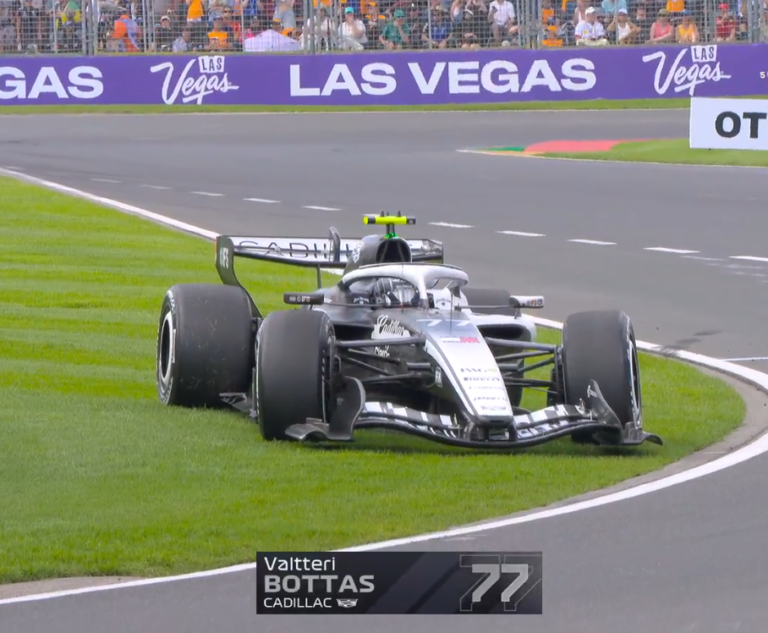
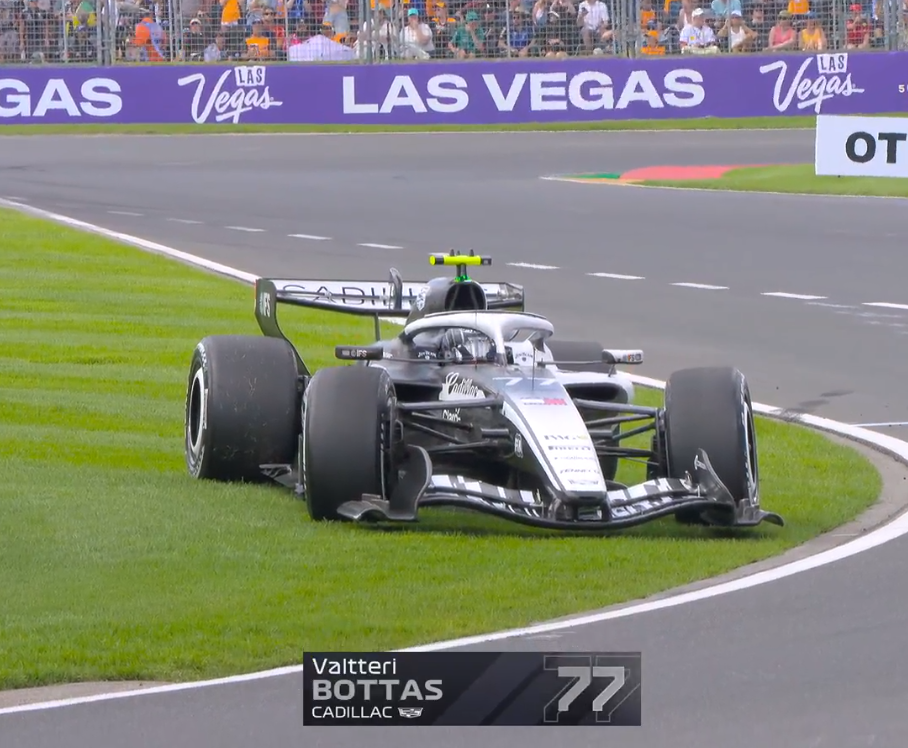
The team has chosen two experienced drivers to set off their Formula1 stint, Checo Perez and Valtteri Bottas. Both had a last year off, Sergio being kicked from Red Bull, and Bottas serving as the reserve driver in Mercedes, where he was giving support to young Antonelli. The two combined bring more than 500 race starts and 16 wins between them, which is an enormous amount of knowledge for a new racing team trying to survive the chaos of year one.
Perez’s return is one of the best human stories on the grid. He left after a rough ending to his Red Bull run, but he has come back in a setting that may suit him better. Cadillac is not asking him to be a supporting actor in somebody else’s title run. It is asking him to help build something from zero. In Melbourne, Perez said the challenge ahead is massive, but the mood inside the team is positive and the early progress feels real. Cadillac also confirmed it is already bringing its first upgrades for Australia, which tells you the team is not taking round one lightly.
The team will use Ferrari power units until GM’s own engines are homologated, with GM Performance Power Units approved as an F1 supplier from 2029. So this is not a short term branding exercise. It is the beginning of a longer factory style project.
Nobody is predicting podiums right away. Even F1’s own race week preview says Cadillac has set modest expectations for their debut weekend. But if Bottas and Perez get the car home, avoid crashes, and show that the team belongs, that is already a very strong first Sunday.
Aston Martin Has Become the Worrying Story of the Weekend
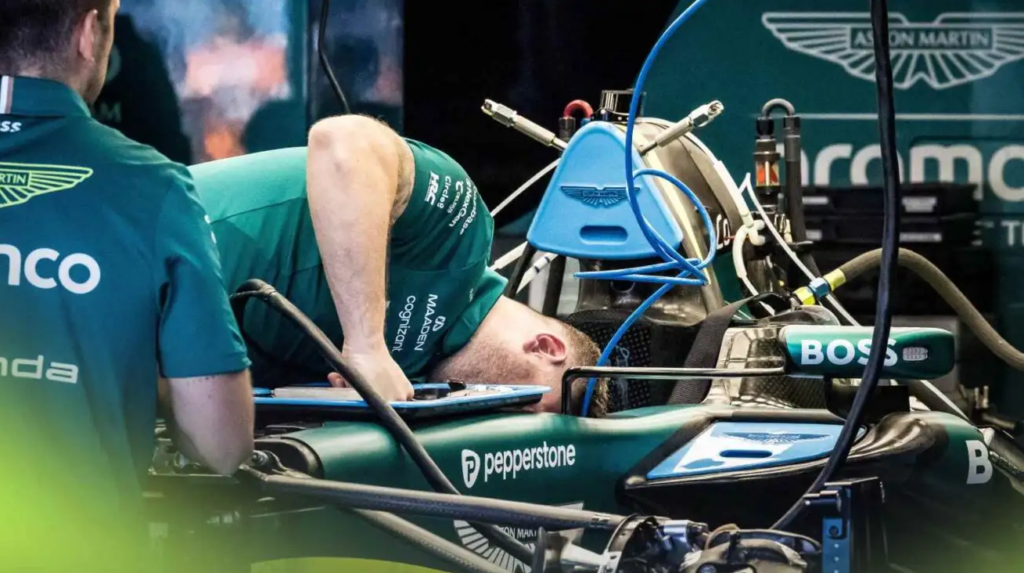
Every opener needs one uneasy subplot, and this year it is Aston Martin. The official F1 reporting before Melbourne already said Aston Martin had a difficult build up, with delays, limited mileage, and significant vibration issues in pre season. Adrian Newey, now team principal as well as technical leader, and Honda both opened up about the scale of the task.
The latest reports are depressing. Supposedly, Aston Martin planned to limit laps in Australia because of severe vibrations linked to the Honda power unit and the strain being transferred through the chassis to Fernando Alonso and Lance Stroll. There were concerns about driver discomfort and the risk of nerve damage in the hands if the issue is not controlled, which was confirmed by Stroll who said that it feels like being electrocuted in an electric chair. Harsh words, which were backed by his teammate.
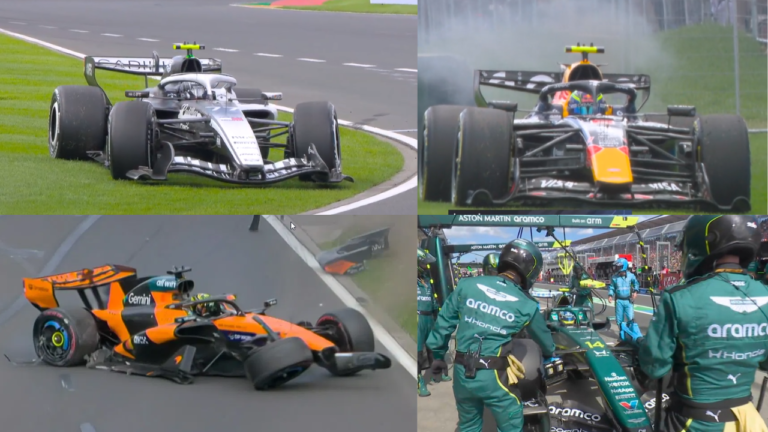
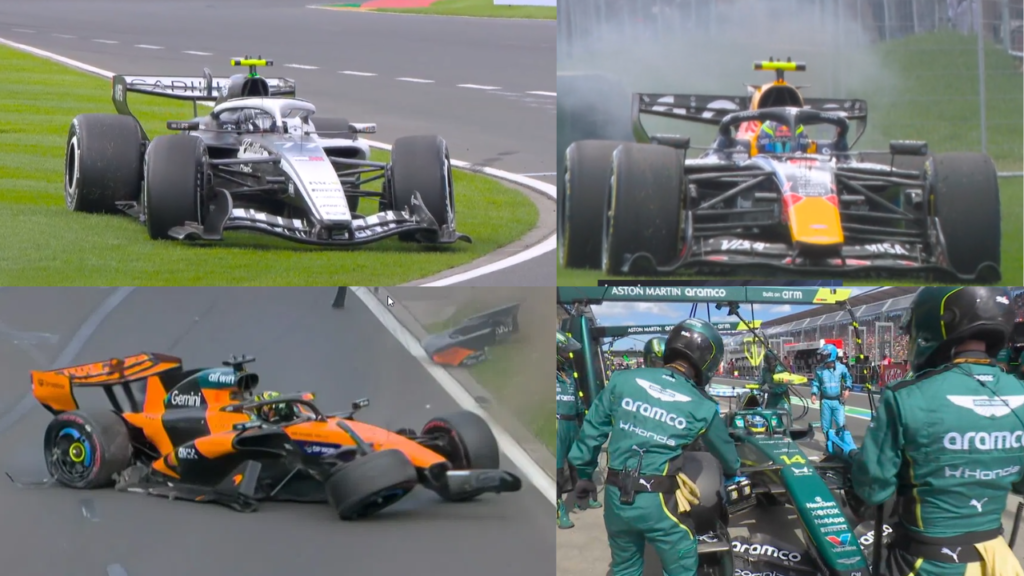
That is the kind of headline nobody wants in the first race of a new regulation cycle. Aston Martin was supposed to be one of the glamour projects of this next phase: new factory, new wind tunnel, Newey, Honda, big ambition. Instead, Melbourne may begin with a simple survival mode. If they reach Sunday and spend half the race just trying to get both cars to the flag, that will tell you a lot about where the real emergency sits in the garage.
Audi Also Starts a New Chapter
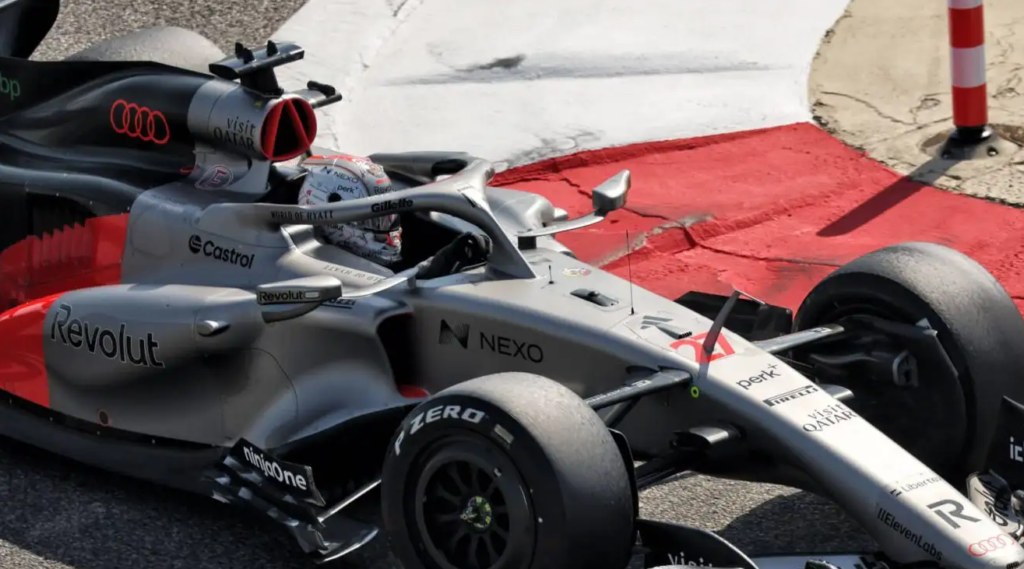
Cadillac is not the only fresh story in town. Audi is beginning their first season as a proper team after taking over Sauber. Gabriel Bortoleto has spoken positively about the scale of the work behind the scenes, with Audi now operating a powertrain division in Neuburg, the chassis base in Hinwil, and a technical center in Bicester.
That does not guarantee instant results, but it does mean Audi is arriving with a real project structure rather than a rushed badge swap. F1’s own race week preview said the early signs in testing were impressive, and the fight against Haas, Williams, Alpine and the rest of the upper midfield could be one of the best parts of the weekend if the front four separate themselves.
What To Expect When the Lights Go Out?
The first lap will tell us a lot. With the new power unit behavior affecting starts, Ferrari powered cars showing strong launches in testing, and teams still learning how to balance energy recovery and deployment, the run to Turn 1 should feel more open than usual.
The front should be crowded. McLaren, Ferrari, Mercedes and Red Bull all have many reasons to feel good and a few to stay cautious. If one team is truly hiding a bigger pace edge, Melbourne is where the masks would fall.
Behind them, Cadillac’s first race will be one of the most watched “outside the points” stories in years, simply because it means something bigger than a finishing position. Audi’s first work weekend will be exciting too. And Aston Martin, for entirely different reasons, could spend Sunday trying to stop the opener from becoming a damage control story before round two even begins.
Melbourne usually gives Formula 1 a sharp, noisy start. This time it is giving the sport something even better: a new chapter with familiar stars, changed machines, fresh teams, revived careers, and enough unanswered questions to make the first Sunday of the season feel properly alive. That is why the Australian Grand Prix already feels bigger than a normal opener. It is not just the first race on the calendar. It is the first real glimpse of what Formula 1’s next season might look like.