
Williams have yet to explain one of the most bizarre pit stop sequences in modern Formula 1 history, but there may be a method to the madness
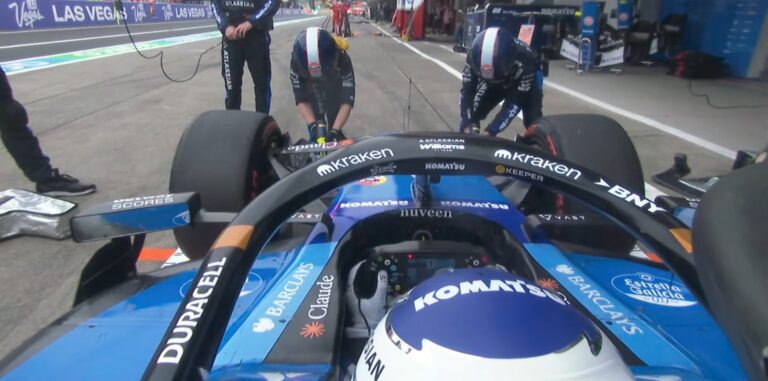
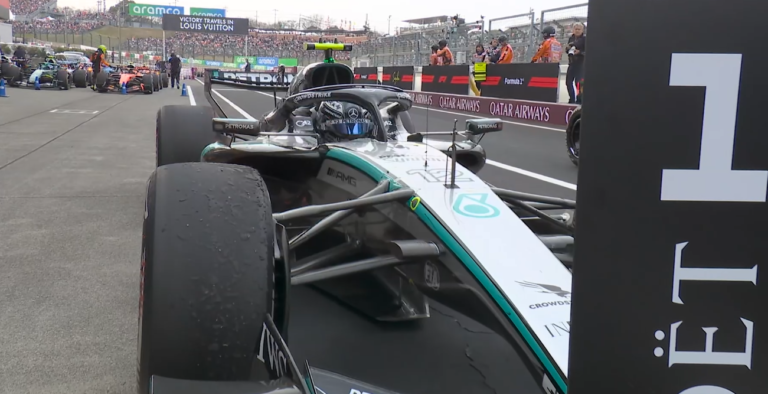
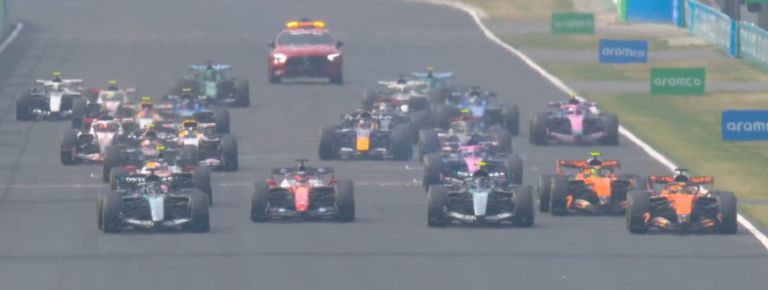
The 2026 Japanese Grand Prix will be remembered for Kimi Antonelli’s dominant victory, a breathtaking Ferrari internal battle and a safety car that turned the race on its head. But the strangest subplot of the afternoon at Suzuka belonged to Alexander Albon.
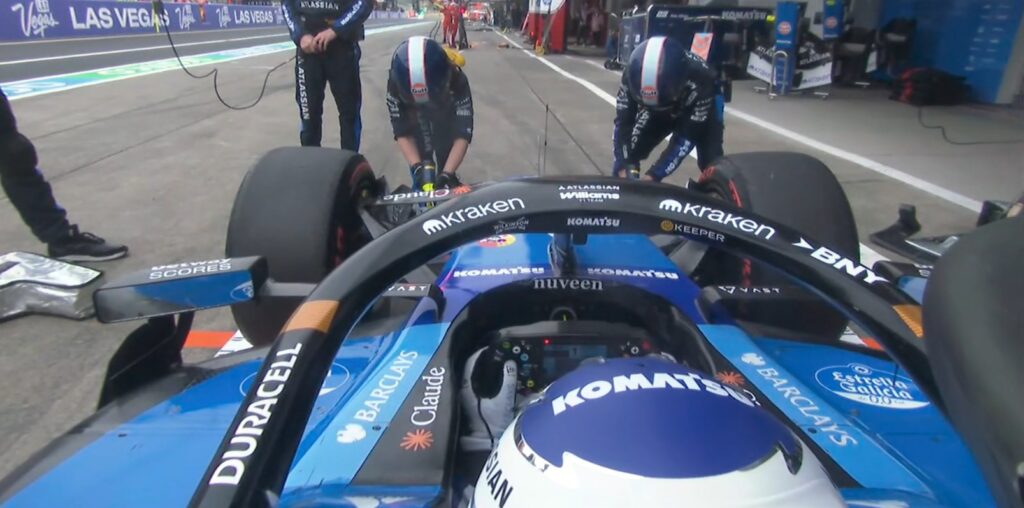
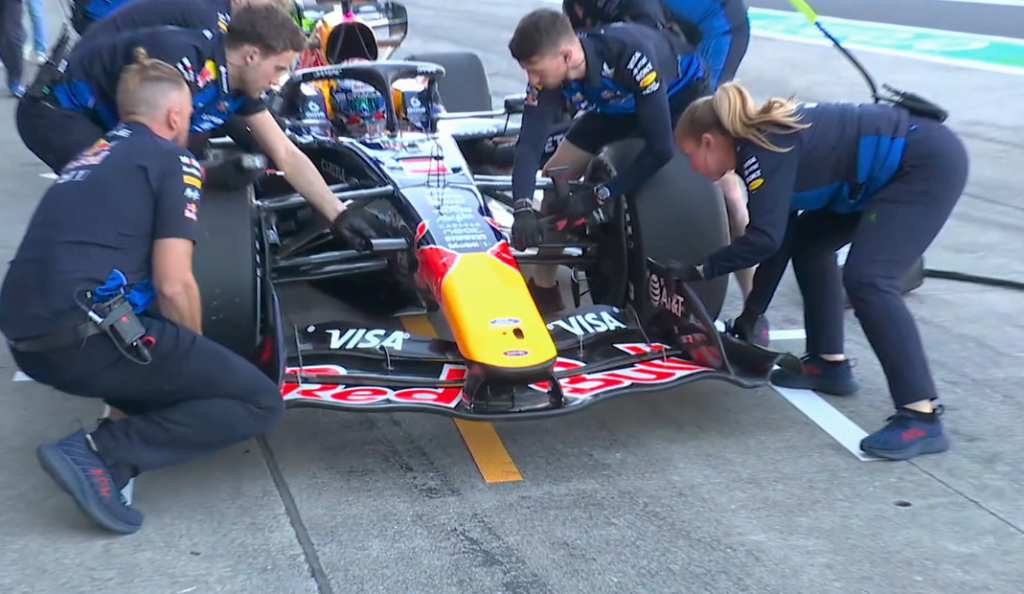
The Williams driver made six pit stops.
Six.
To put that in context, every other driver in the race made one. Albon made six. He visited the Williams garage on Laps 20, 47, 48, 49, 50 and 51, three consecutive laps in the closing stages of the race where he simply kept returning to the pit lane as if he had forgotten something each time he left.
Williams have not officially explained it. But there is a theory worth considering.
Before his pit stop series began, Albon was running P17. The race was gone. Points were not coming. In that situation, a team with nothing to lose and a development programme to feed has a decision to make, park the car and learn nothing, or use the remaining laps as a mobile test session.
Suzuka is one of the most technically demanding circuits on the calendar. Its combination of high-speed corners, heavy braking zones and long straights makes it an ideal circuit to gather aerodynamic data across different wing and flap configurations. If Williams were adjusting front or rear wing settings between each stop, testing how the car responded to different downforce levels in real race conditions, then those six stops start to look less like a disaster and more like a deliberate data harvest.
It would not be the first time a struggling team has used a pointless race to run experiments that a competitive team would never risk. With Williams sitting deep in the midfield in 2026 and fighting to close the gap to the frontrunners, real-world aero data at a circuit like Suzuka could be worth far more than a P17 finish.
To be fair to Albon, whatever the reason, he drove every lap he was asked to drive and brought the car home. He finished P20 and two laps behind race winner Antonelli, but if Williams walked away from Suzuka with six sets of useful aero data, that might be exactly the result they were looking for.
Six pit stops. At Suzuka. With four laps to go. Bizarre on the surface. Possibly genius underneath.
Formula 1 has seen a lot of things. This one still needs an explanation, but it might be a smarter story than it first appeared.