


F1 Driver Salary Cards
Every driver · Base + Bonus breakdown · Contract details · Team payrolls
F1 is a premium global business, and the drivers sit right at the center of it. The stars at the very top are not just athletes. They are brands, ambassadors, investors, and, in some cases, rolling corporations in race suits. That is why the gap between the front of the grid and the back can be dramatic.
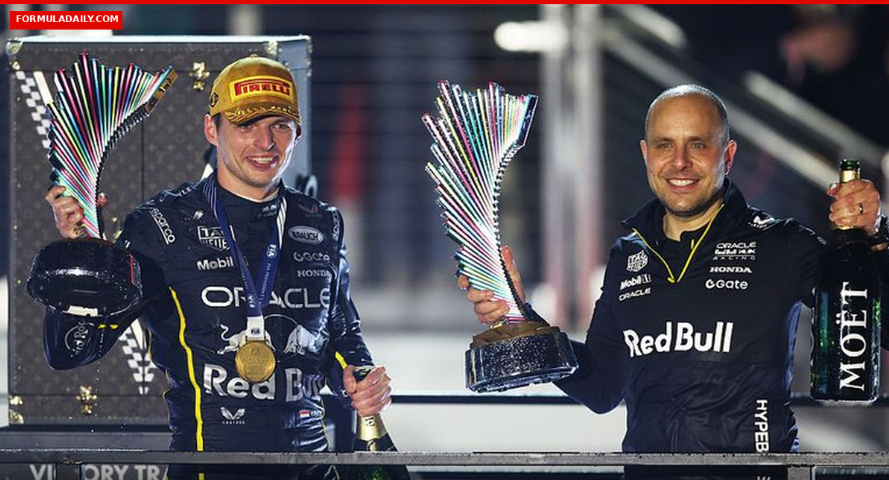
Recent earnings estimates put Max Verstappen at the top on roughly $76 million for the year, made up of about $65 million in salary and another $11 million in bonuses.
Lewis Hamilton follows close behind on around $70.5 million, with a higher base salary but a much smaller bonus total.
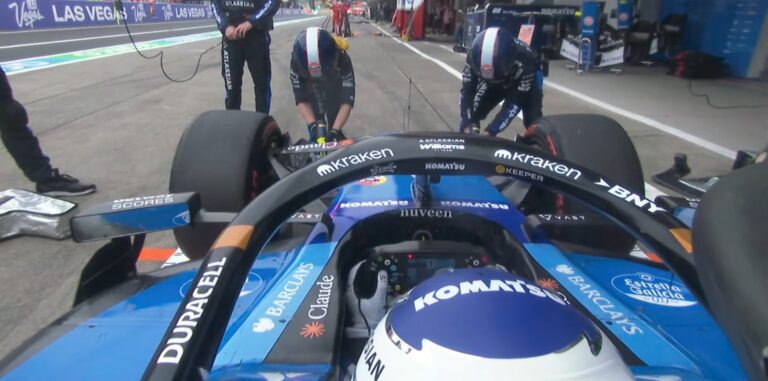
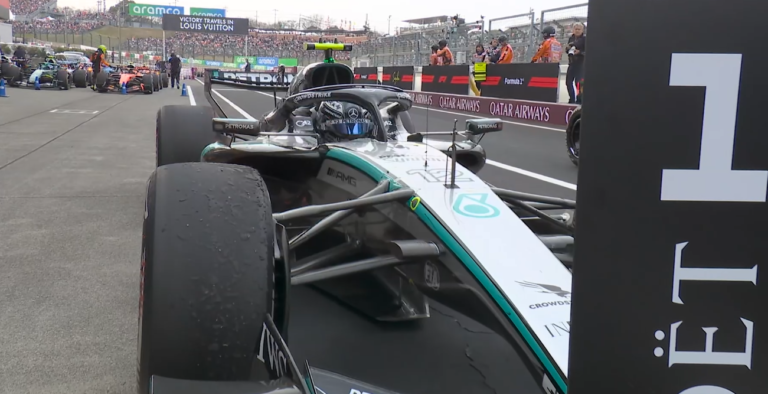
After them come Lando Norris at about $57.5 million, Oscar Piastri at $37.5 million, Charles Leclerc at $30 million, Fernando Alonso at $26.5 million, George Russell at $26 million, Lance Stroll at $13.5 million, Carlos Sainz at $13 million, and Kimi Antonelli at $12.5 million.
Annual earnings are not just about the contracts. Bonuses can completely reshape the order. Hamilton’s reported base salary was higher than Verstappen’s in some estimates, yet Verstappen still came out on top once performance bonuses were added in. Norris and Piastri make that even clearer. Their base figures were far below the very top earners, but bonus heavy seasons pushed their total earnings sharply upward.
Driver Net Worths
Then there are the more glamorous numbers, net worth. Besides salaries, drivers have endorsements, investments, property, business interests, and private financial details the public never fully sees. Even so, the main pattern is easy enough to see.
Lewis Hamilton is widely regarded as the wealthiest active driver on the grid, with reported estimates placing him somewhere between roughly $300 million and $450 million. He is well beyond the level of being simply a highly paid athlete. He is operating in the range of global sports celebrities with a serious business portfolio.
Hamilton’s wealth is tied not only to race earnings, but also to long running endorsement work, fashion partnerships, entertainment projects, and outside investments, including ownership interests in major sports and consumer brands. In F1, the truly huge money often starts once the racing success spills into business, media, and brand value.
Max Verstappen is not far behind. Current estimates place his net worth at around $200 million. He has been the sport’s top annual earner in recent years, and with his salary, bonuses, sponsorship income, and property holdings, his overall fortune has been climbing fast. He is not just earning like the biggest star in Formula 1. He is building wealth at exactly the rate you would expect from a driver dominating the sport in his prime.
Fernando Alonso remains one of the most interesting names on any rich list because time has worked in his favor. Reported estimates place his net worth somewhere around $240 million to $260 million, which puts him firmly among the wealthiest current drivers. His case is slightly different from the younger stars, because his fortune has been built over a couple of decades in sport. Racing at the top level, strong salaries across multiple eras, endorsement income, and paid commercials have given him the kind of financial power most drivers can only hope to reach.
Below that elite trio, the next wave of F1 wealth looks a little more modern and a little more brand driven. Charles Leclerc’s net worth is about $70 million, with a stated annual income of at least $25 million through his Ferrari deal and bonuses. Full disclosures about bonuses and brand endorsements are almost never revealed, especially when they’re well into seven figures, but these estimates are covering the main point, Leclerc is one of the sport’s biggest earners and one of its most commercially attractive faces.
Lando Norris net worth is about $80 million. Norris’ reported earnings have jumped sharply thanks to his McLaren deal, bonuses, and growing commercial profile away from the car. The current world champion’s bank account is probably going to bloat much more in the upcoming years.
Oscar Piastri, George Russell, Carlos Sainz, and Lance Stroll sit in that next band where annual earnings are already massive, even if their total fortunes are still catching up with the top four.
Oscar Piastri’s net worth is estimated at around $50 million, while George Russell sits at about $42 million, Carlos Sainz is generally placed in the $47 million to $50 million range, and Lance Stroll is estimated at roughly $50 million.
The exact figures could be different because private wealth is never fully public, but the pattern is obvious enough: once a driver establishes himself as a serious front half of the grid name, the money tends to build very quickly.
And that gets to the real answer to the question of how much F1 drivers make per year. The honest answer is that it depends on the moment in their careers. The superstars can earn $50 million to $75 million or more in a single season once bonuses are included. The strong front running or top team names often land around $30 million. Rising talents and younger drivers can still make millions per year, just not the sort of numbers that turn them into instant moguls.
The bigger picture is that F1 wealth is no longer built on salary alone. The old image of a driver simply cashing a team paycheck feels outdated now. Modern drivers earn through bonuses, sponsorships, licensing, investments, side businesses, production deals, fashion partnerships, and, in some cases, ownership stakes or family wealth that changes the starting point.
Hamilton turned racing success into a much larger business empire. Verstappen has become a monster earner while still being relatively early in his career. Alonso has benefited from time and reputation. The younger stars are following the same road, just with more social media reach.
So yes, Formula 1 drivers make absurd money. The top ones make the kind of yearly income most sports would envy, and the richest of them have net worth figures that belong in business pages as much as sports magazines. But the most F1 part of the whole thing is this: even in a world full of wealth, the order still matters. Pole position pays. Championships pay even more. And if you can turn speed into a global personal brand, that is when the really serious money starts.


One Response