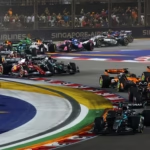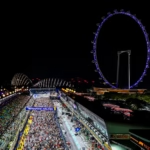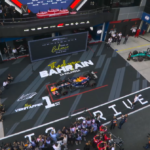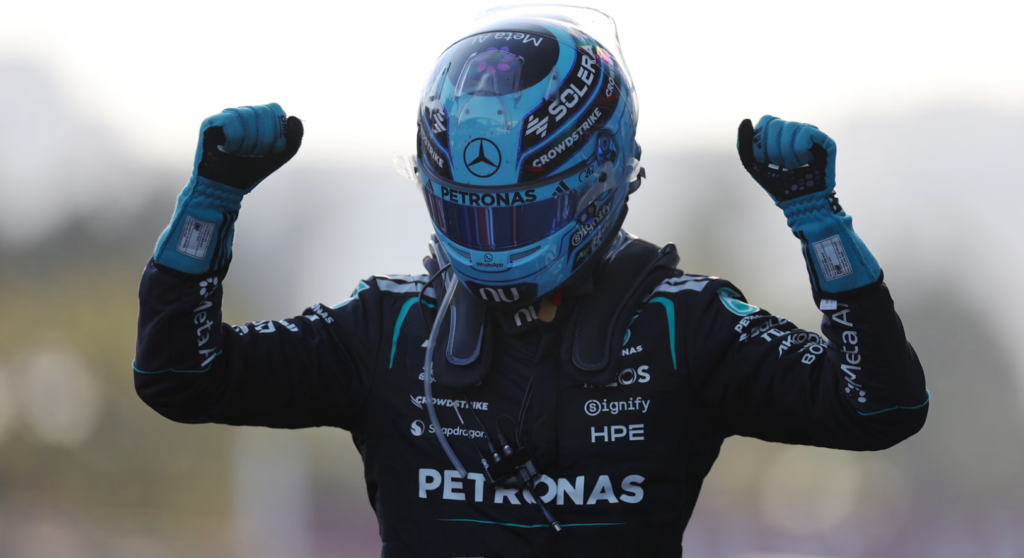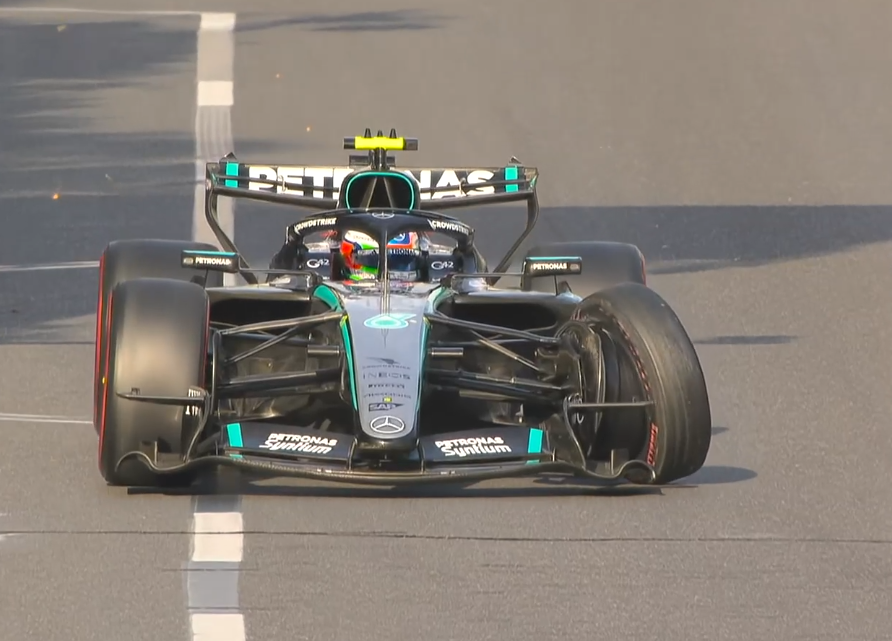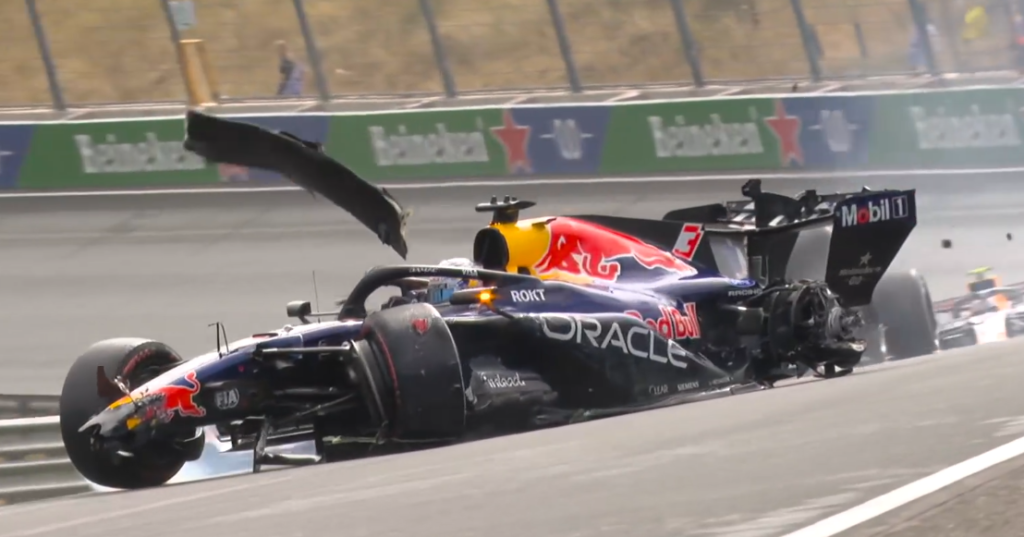

Marina Bay has seen plenty of drama under the floodlights, but this weekend it gets something brand new. For the first time ever, the Singapore Grand Prix is a Sprint weekend, and it’s also the sixth and final Sprint of the 2026 season. If you’re new to F1 or just figuring out why everyone’s hyped, here’s the full lowdown.
Wait, what’s a Sprint?
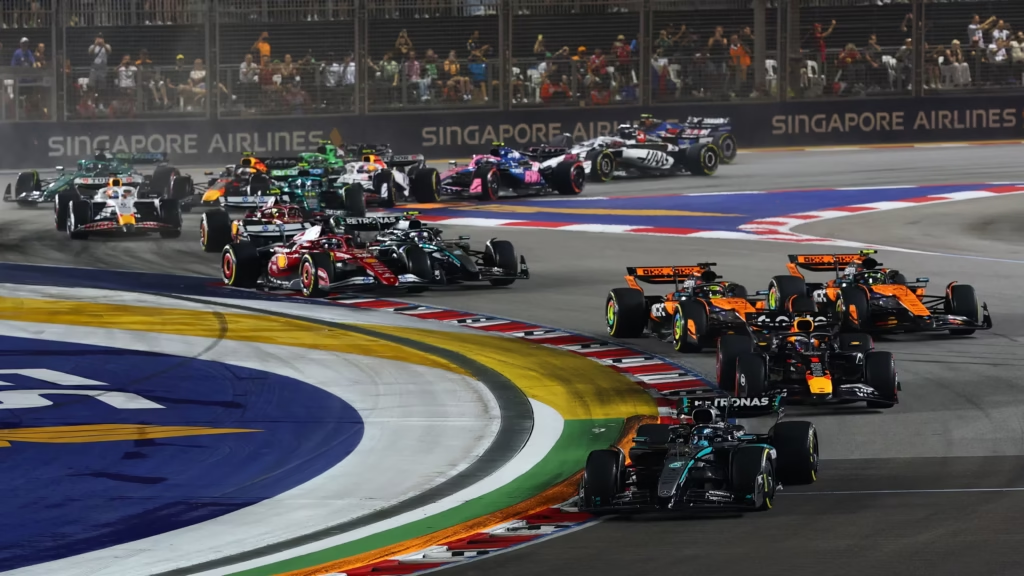
Think of the Sprint as a mini Grand Prix. It first popped up at the 2021 British GP, and it’s basically a flat-out dash of roughly 100 km, about a third of a normal race. No mandatory pit stop, no long tyre strategy chess game, just around 30 minutes of drivers sending it from lights out to the flag.
The top eight finishers score points, from 8 for the win down to 1 for P8. That might not sound like loads, but over a title fight those bonus points can be massive.
The Sprint also flips the usual weekend upside down. Instead of three practice sessions, teams get just ONE hour of practice on Friday. Then it’s straight into Sprint Qualifying, which sets the grid for Saturday’s Sprint. After that, regular Qualifying decides the grid for Sunday’s main event. So there are basically two races and two qualifying sessions packed into one weekend.
Where is it happening?
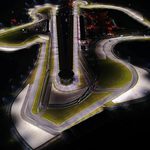
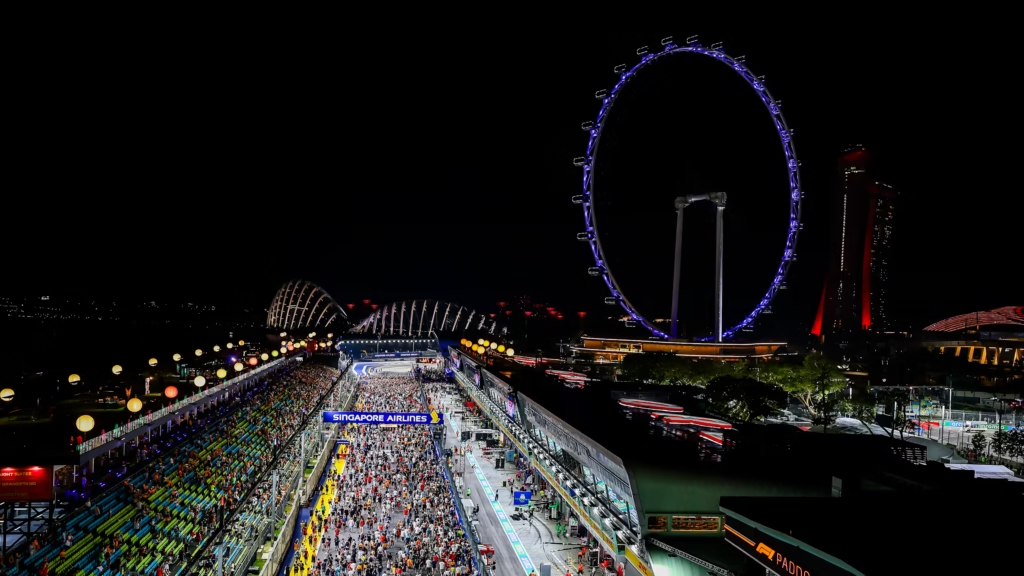
Everything goes down at the Marina Bay Street Circuit, a 4.927 km street track that snakes through downtown Singapore past the skyline, the bay and the famous Singapore Flyer. It runs anti-clockwise with 19 corners, and the walls are right there, so one tiny mistake and you’re in the barriers. The Grand Prix itself is 62 laps, while the Sprint is 21 laps.
The schedule (local time/Central European time)
Friday, October 9
Free Practice 1: 16:30 / 10:30 CEST
Sprint Qualifying: 20:30 / 14:30 CEST
Saturday, October 10
Sprint (21 laps): 17:00 / 11:00 CEST
Qualifying: 21:00 / 15:00 CEST
Sunday, October 11
Grand Prix (62 laps): 20:00 / 14:00 CEST
Singapore is UTC+8, so fans in Europe get nice daytime viewing slots this time around.
Why this Sprint actually matters
First up, the one-practice thing is a huge deal here. Marina Bay is a street circuit, which means the track is dusty and “green” at the start of the weekend and gets grippier every session. Teams normally use three practice sessions to nail the setup. This time? One hour, then it’s for real. Expect some teams to absolutely nail it and others to be scrambling.
Second, the timing is spicy. The Sprint starts at 5 pm local time, while it’s still light out, but Qualifying and the race are at night. Track temps will be different from what the drivers race in on Sunday, so the Sprint might not be a perfect preview of the main event.
Third, it’s the last Sprint of the year. With the championship heading into its final stretch, every point is gold, and nobody wants to leave easy points on the table.
Is it easy or hard for drivers?
Short answer: it’s brutal. Singapore is widely seen as one of the toughest races on the calendar. The heat sits around 30°C even at night, the humidity is crazy high, and drivers have been known to lose around 2 to 3 kg of sweat during the Grand Prix. The track is bumpy, there’s barely a breather between corners, and the concentration has to be 100% for nearly two hours.
The Sprint is shorter, sure, but now drivers face two rounds of that sauna in one weekend. Overtaking is tricky too, with the best chances at heavy braking zones like Turns 1 and 7, so grid position is everything. And with walls everywhere, Safety Cars can show up at any moment and totally scramble the order.
Singapore’s first Sprint adds chaos, pressure and extra points to an already gnarly weekend. Less prep, more racing, and a title fight on the line. Grab your snacks, set your alarms, and get ready for a properly wild ride at Marina Bay.