
Max Verstappen ends his Marina Bay drought in his 250th Grand Prix, Kimi Antonelli moves within touching distance of the championship, and George Russell turns a 60 place penalty into points.
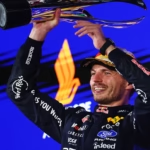
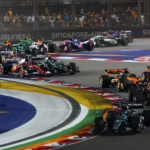
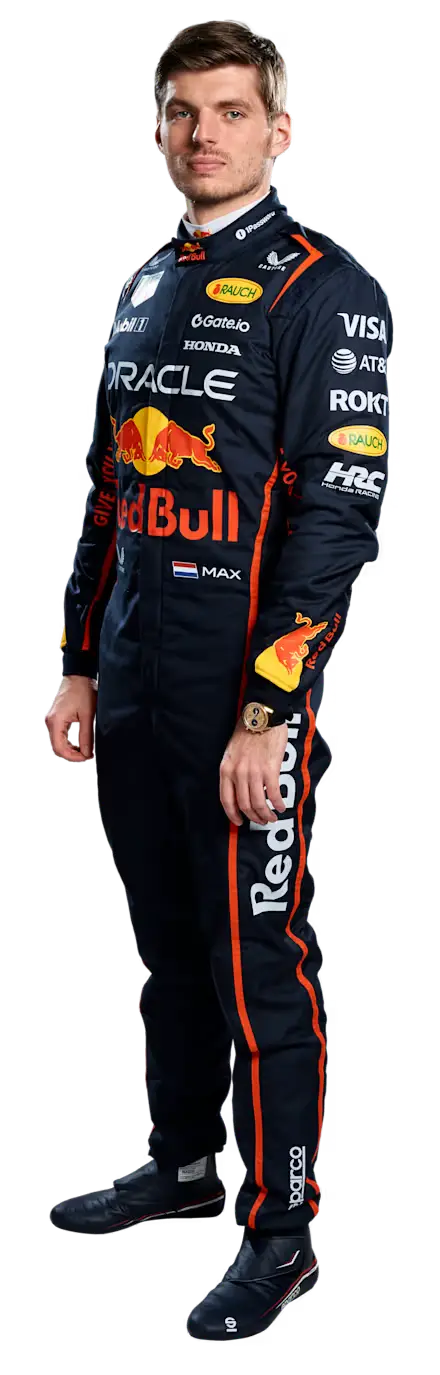
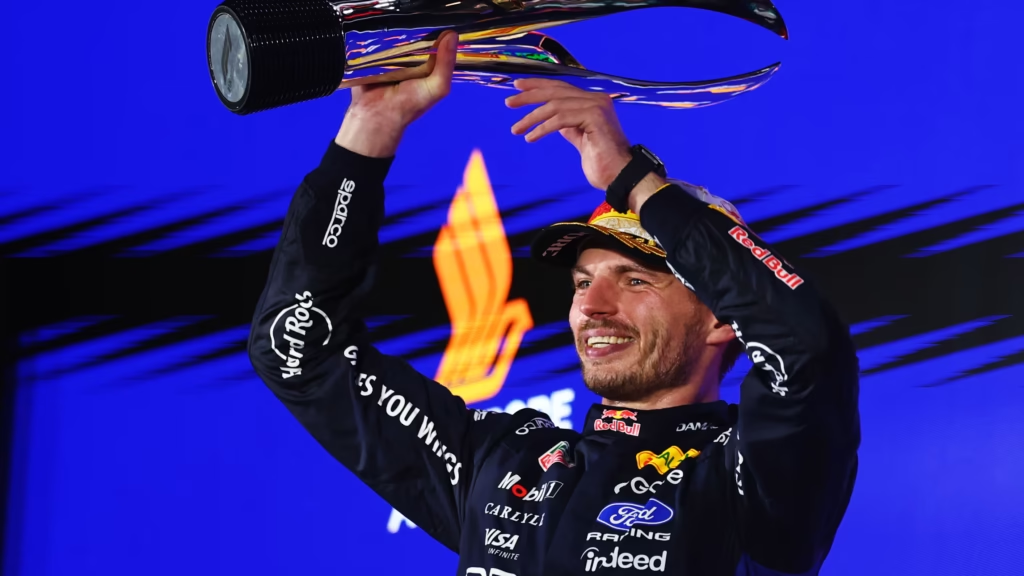
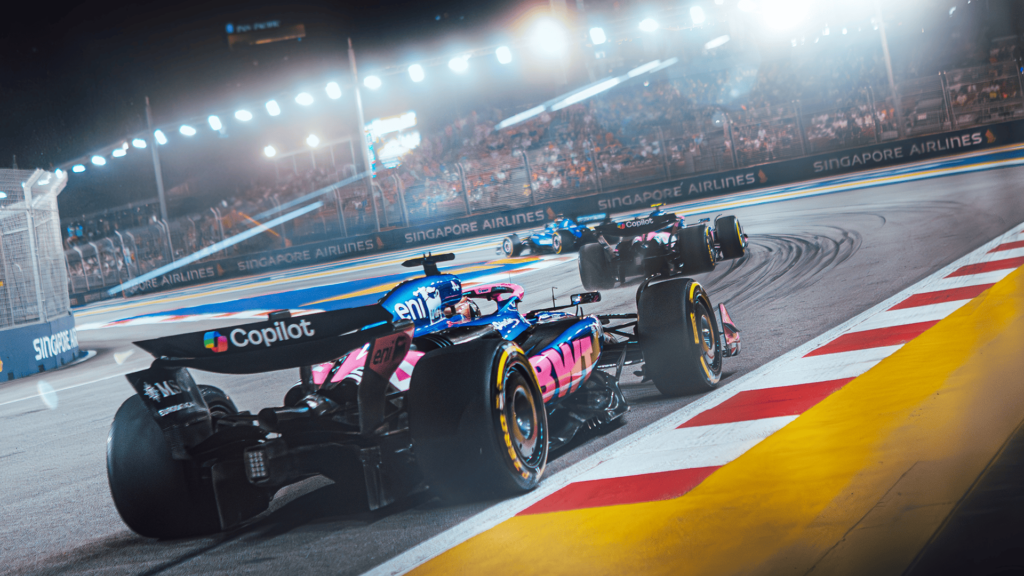
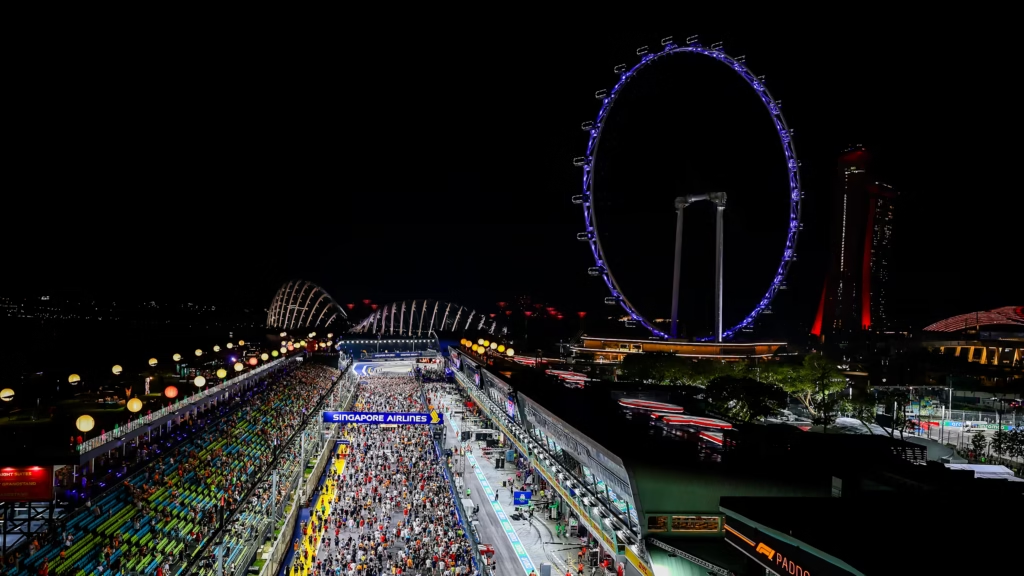
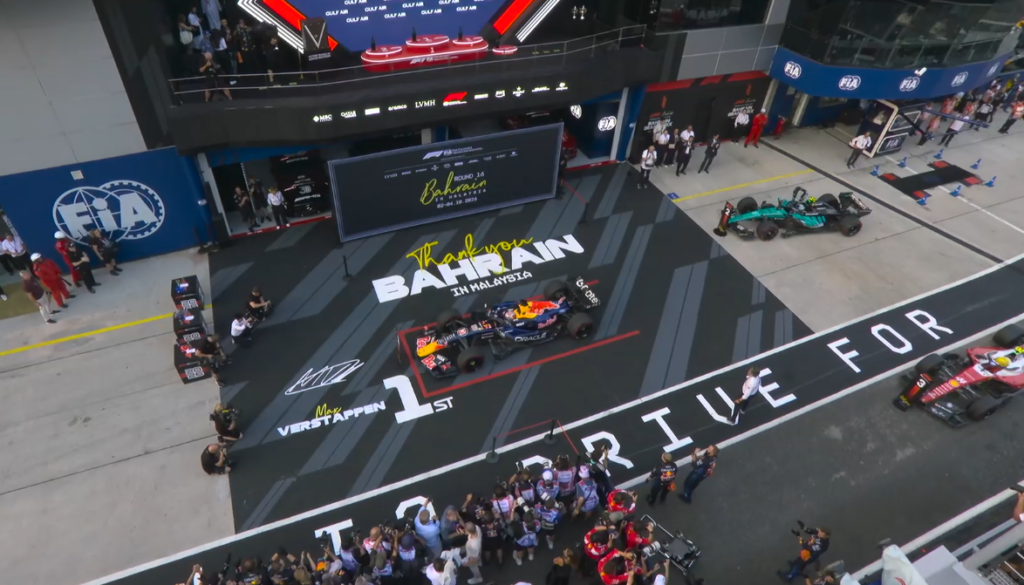
For years, the Marina Bay Street Circuit was the one major venue that refused to give Max Verstappen what he wanted. That changed on Sunday night. In his 250th Grand Prix start, the Dutchman finally won in Singapore, and he did it in the most commanding way possible, leading every one of the 62 laps from pole position.
Verstappen crossed the line after 1:42:00.785 of racing, 7.335 seconds clear of Charles Leclerc, with Kimi Antonelli completing the podium in third. It was his second victory in a row, a sign that he has found real momentum in the closing stretch of the season.
The win also carried historical weight. According to the FIA, it was Verstappen’s 73rd victory with the same constructor, moving him past Michael Schumacher’s record. For a driver who has already rewritten much of the sport’s record book, this one is a particularly meaningful milestone, putting him ahead of a name that defined an entire era of Formula 1.
What makes the result even more impressive is that Verstappen did not have an easy evening in the cockpit. As Formula 1 pointed out, he won with a team radio that barely worked, which on a track as demanding as Singapore is no small detail. Strategy calls, tyre information and traffic warnings all become harder to manage when communication with the pit wall breaks down. Fans clearly appreciated the performance, voting him Driver of the Day.
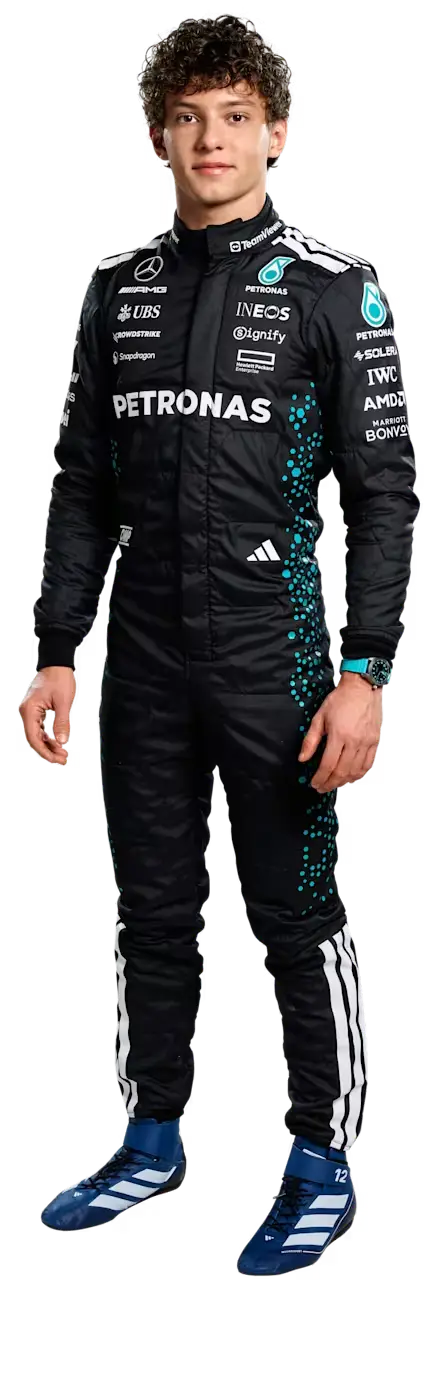
Antonelli on the verge of history
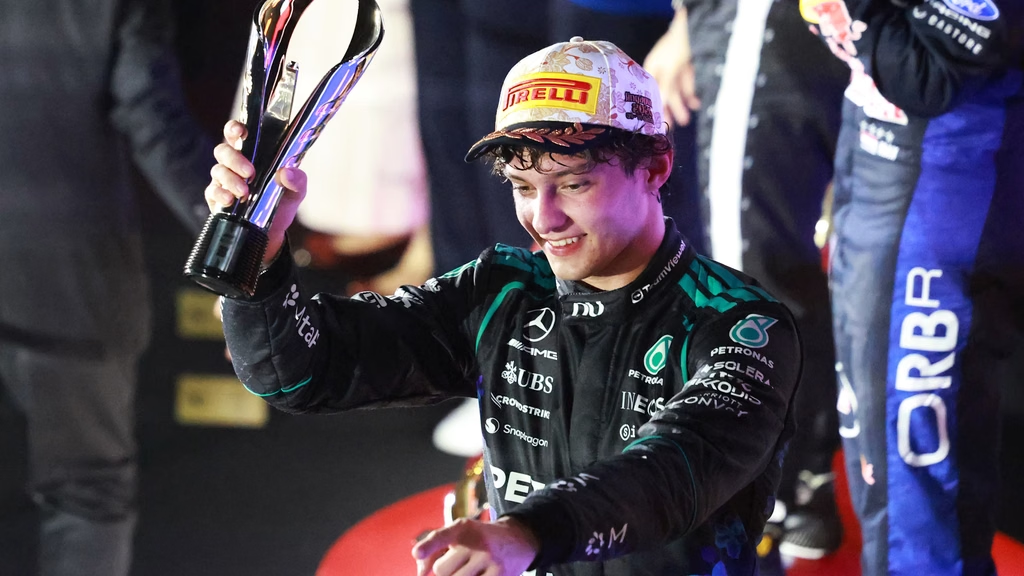
While Verstappen took the headlines, the championship picture moved another step closer to being settled. Antonelli’s third place extended his lead in the standings to 102 points, with 340 to George Russell’s 238.
That puts the young Italian in a position to clinch the title as early as the next round in Austin. A Formula 1 graphic explains the maths: he needs to leave the United States with a lead of 125 points to make it mathematically certain. In practical terms, that means outscoring Russell by at least 23 points at the Circuit of the Americas.
On social media, the reaction has been largely enthusiastic. Many of the most popular comments point out that Antonelli could become the youngest world champion in the history of the sport. Not everyone is celebrating, though. A vocal minority online has described the season as “boring,” and some have gone further, suggesting the title has been “gifted” to him. These opinions appear to be limited to social media, but they show that a dominant campaign rarely pleases everyone.
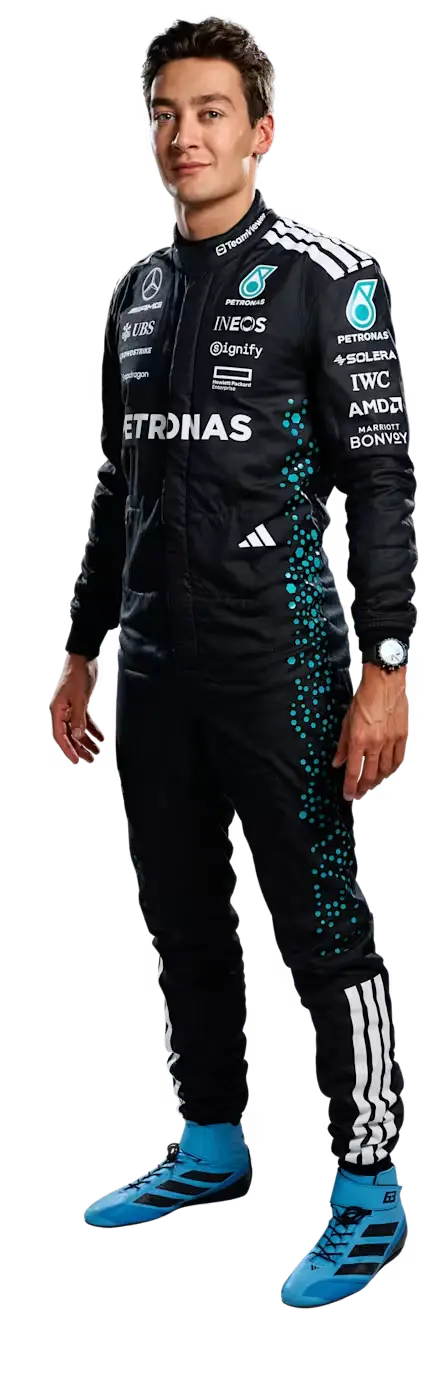
Russell’s remarkable recovery
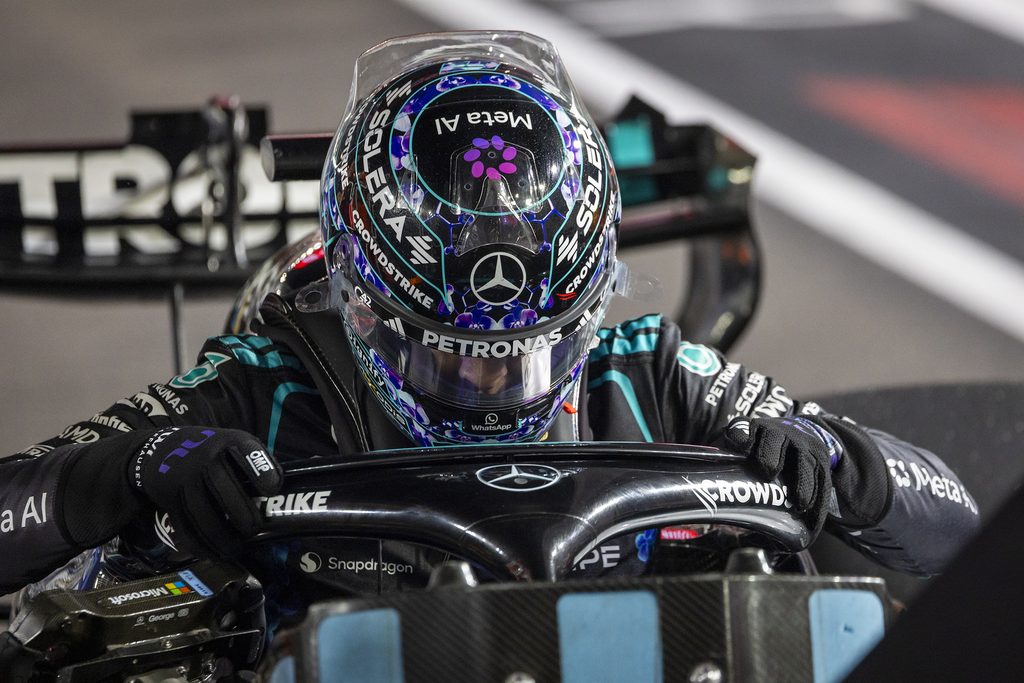
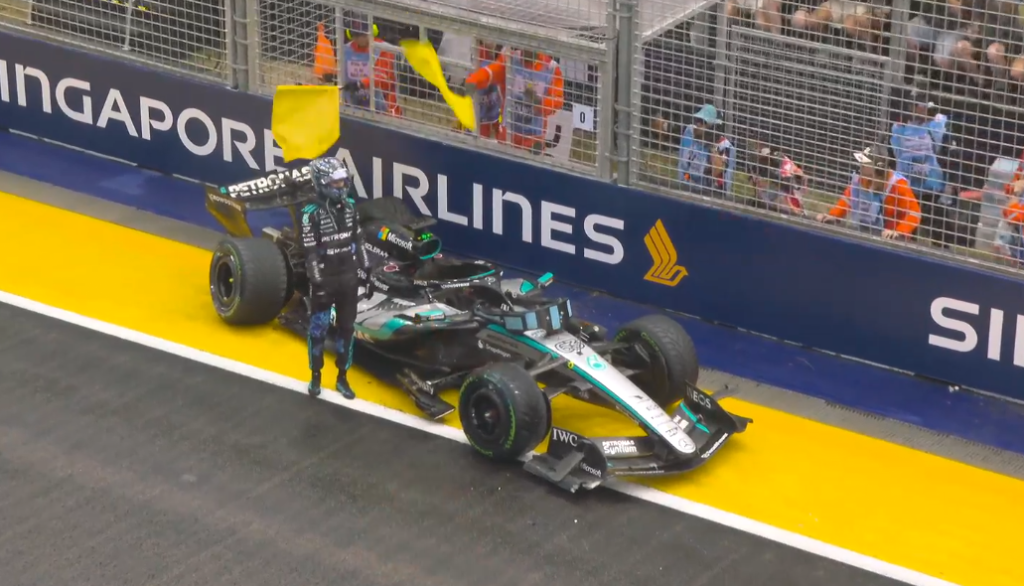
If Antonelli’s weekend was about consistency, Russell’s was about damage limitation, and he managed it well. His grid penalty grew to a total of 60 places after an additional 20 place drop was applied for using his fourth energy store and his fourth set of control electronics. The final classification document listed the full 60 places across two separate decisions.
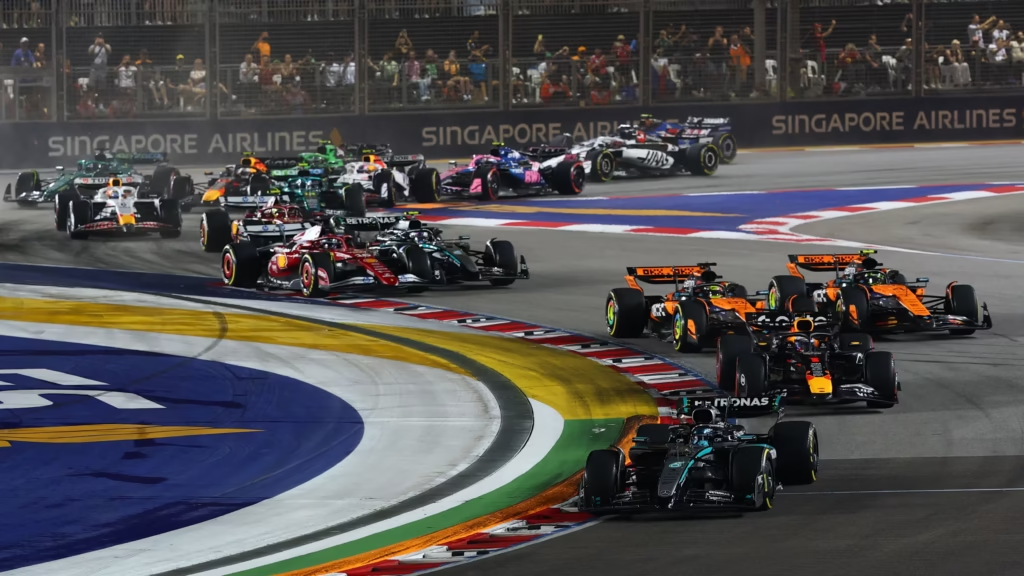
There was also a correction to the starting order. Russell lined up in P19, not P21 as had been reported the day before, because three cars chose to start from the pit lane. From there, he worked his way through the field on one of the hardest circuits on the calendar for overtaking and brought the car home in ninth place, collecting valuable points.
Mercedes was quick to praise the effort, writing in its post after the race: “10 positions gained… A masterclass from George.”
Those points may not change the overall direction of the championship, but they do keep Russell in the fight for at least one more race. With Austin up next, all eyes will be on whether Antonelli can seal the title, whether Russell can delay the celebrations, and whether Verstappen can make it three wins in a row.