16
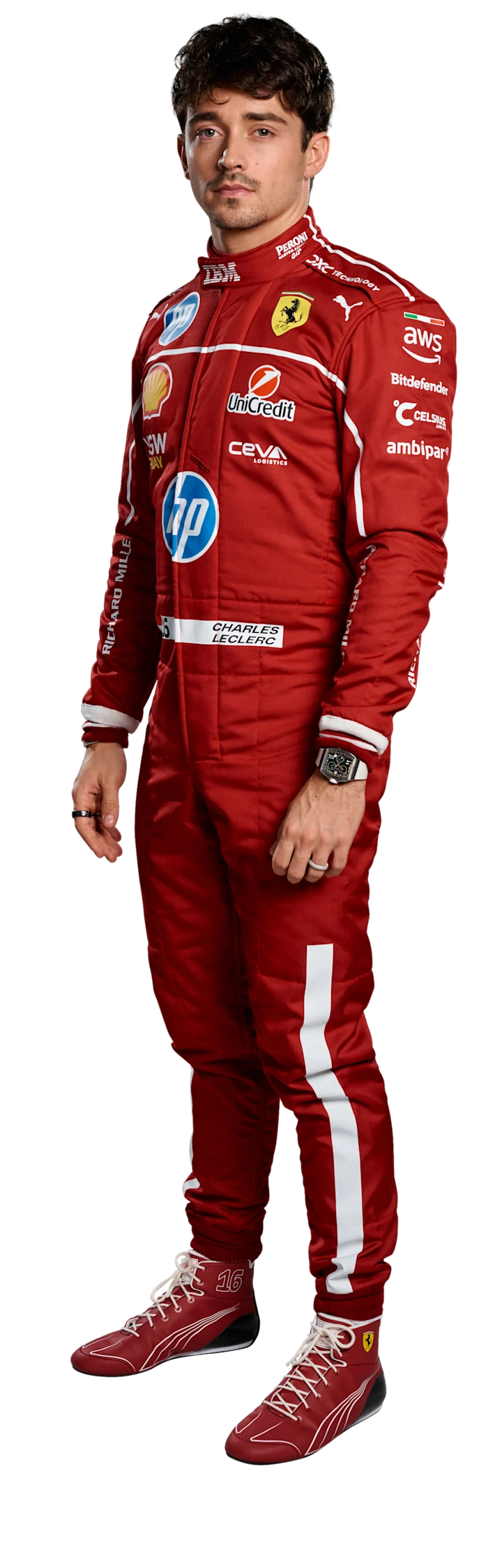
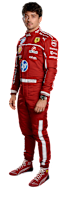
FerrariCharles Leclerc is a Monegasque Formula One driver racing for Scuderia Ferrari. He has eight race wins, 50 podiums, and 27 pole positions across eight seasons in the sport. He was championship runner-up in 2022 and is considered one of the fastest qualifiers in the history of the sport.
He is 28 years old. He has described 2026 as "now or never" for his world championship with Ferrari.
| Full name | Charles Marc Hervé Perceval Leclerc |
| Date of birth | 16 October 1997 |
| Birthplace | Monte Carlo, Monaco |
| Height | 180cm |
| Nationality | Monegasque |
| Current team | Scuderia Ferrari |
| Car number | #16 |
| Manager | Nicolas Todt |
| Partner | Alexandra Saint Mleux (engaged) |
His full name carries two tributes in it. Hervé is his father's name. Perceval is Jules Bianchi's middle name. Both are gone. He races with both of them written into his official race entry.
Leclerc was born in Monte Carlo, the second of three sons of Hervé and Pascale Leclerc. His father was a Formula Three racing driver who competed in the 1980s and 1990s. Growing up in Monaco, surrounded by the infrastructure of Formula One, Leclerc was inside the sport before he understood it. As a child, when he played with toy cars, he always chose the red one.
His paternal step-grandfather was the founder of Novares Group, a French industrial manufacturing company, and helped cover miscellaneous costs during Charles's karting years. The family was not wealthy in the way that many junior motorsport families are, but they were not without support. The racing itself, however, had to be funded separately.
Leclerc began karting at age five. By ten he had won the Monaco Kart Cup, becoming its youngest winner.
Jules Bianchi was a French Formula One driver and a close family friend. He became Leclerc's godfather and the most important mentor in his early career. Bianchi was contracted to Ferrari and widely regarded as one of the most talented drivers of his generation. He was the most vivid proof Leclerc had that the path from Monaco to Ferrari was possible.
In October 2014, Bianchi suffered severe head injuries in an accident at the Japanese Grand Prix. He never regained consciousness. He died on 17 July 2015.
Leclerc was 17 years old. He continued racing.
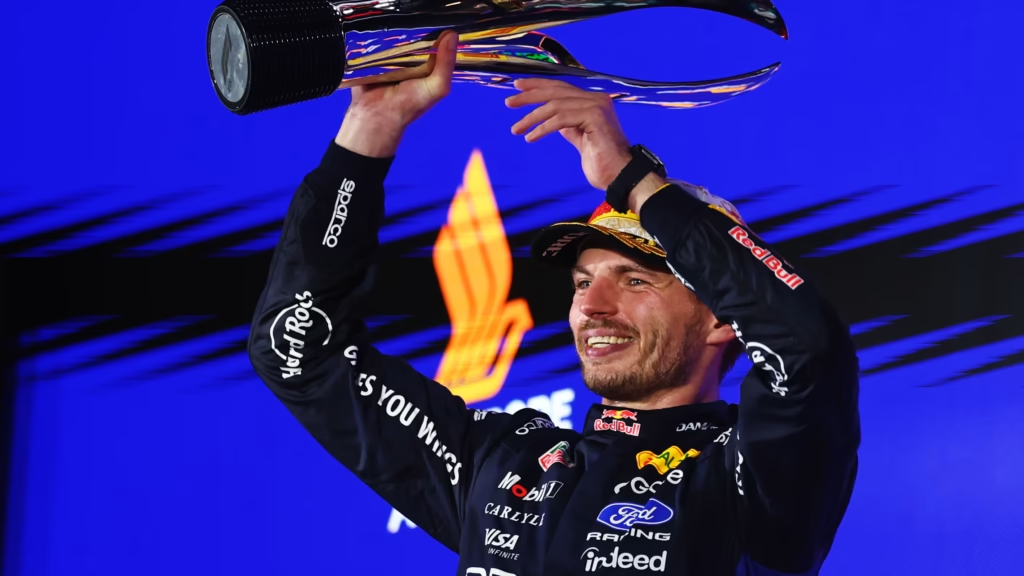
Leclerc progressed through European and international karting with consistent success. In 2011 he won the CIK-FIA Karting World Cup and Academy Trophy. In 2013 he competed for the KZ karting world championship, battling a Dutch teenager named Max Verstappen for the title. Neither won it that year. They would meet again.
Leclerc moved to single-seaters in 2014 with Formula Renault 2.0 Alps, finishing runner-up to Nyck de Vries. In 2015 he competed in the FIA Formula 3 European Championship, winning four races and finishing fourth overall in his first season. His pace was sufficient to attract the attention of the Ferrari Driver Academy, which he joined in 2016.
Nicolas Todt, son of former FIA president Jean Todt, became his manager and the person who shaped the trajectory of his career from this point forward.
Leclerc joined ART Grand Prix for the GP3 Series in 2016 and won the championship at his first attempt. He became the youngest GP3 champion in the history of the series at 19 years and 356 days, and the first rookie to win it since Nico Hulkenberg in 2009. Ferrari fast-tracked him to Formula 2 rather than a direct F1 promotion.
In June 2017, Hervé Leclerc died of cancer. He was 54 years old. Charles was mid-way through his Formula 2 season.
He continued. He won the FIA Formula 2 Championship as a rookie, securing seven victories and ten podiums across the season with Prema Racing. He was the first rookie to win the F2 title since Hulkenberg in 2009. Sauber signed him for 2018.
The year he won the most important championship of his junior career was the year his father died before seeing him complete it.
Leclerc made his F1 debut at the 2018 Australian Grand Prix with Sauber, becoming the first Monegasque driver to compete in Formula One since Olivier Beretta in 1994. Sauber was a midfield team with a Ferrari power unit and limited resources. Leclerc consistently outperformed his more experienced teammate Marcus Ericsson.
He scored his first points in Azerbaijan with a sixth-place finish, becoming only the second driver from Monaco to score championship points after Louis Chiron. By the end of the year the paddock consensus was clear: Ferrari had found what they had been building toward since Bianchi.
Ferrari offered him a seat for 2019, replacing Kimi Raikkonen. At 21, he became the second youngest driver in Ferrari's history.
In his second race for Ferrari at the 2019 Bahrain Grand Prix, Leclerc led much of the race from pole before a late engine issue dropped him to third. The raw qualifying pace was immediately visible.
On 1 September 2019, Leclerc won the Belgian Grand Prix at Spa-Francorchamps.
The day before, his friend Anthoine Hubert had died in an accident during the F2 support race at the same circuit. Leclerc had raced karting with Hubert for years. He dedicated the win to Bianchi. He stood on the podium and wept.
One week later, at Monza, he won the Italian Grand Prix. It was Ferrari's first victory at their home circuit since 2010. The tifosi had found their driver.
He finished the season with ten podiums and seven pole positions, more than any other driver that year. He outscored his teammate Sebastian Vettel, becoming the first driver to do so at Ferrari in a full season in years.
The 2020 Ferrari SF1000 was the slowest car the team had produced in years. Leclerc extracted two podiums from a car that had no business being on the podium. He outscored Vettel again before the German's departure at the end of the year.
Carlos Sainz joined for 2021. The partnership was competitive and respectful. Leclerc took poles at Monaco and Baku and came close at Silverstone. The car was better but not yet a championship contender.
Ferrari produced the F1-75 for the 2022 season, their most competitive car since 2017. Leclerc won in Bahrain and Australia in the first two rounds, taking an early championship lead. He was directly challenging Verstappen at the front of every race.
Then the failures began. He retired from the lead in Spain with an engine problem. He retired from the lead in Azerbaijan with another engine failure. He was called in for an unnecessary strategy change at Monaco that cost him a podium from pole. Further strategy errors at Hungary cost points. Ferrari suffered five retirements across the season from positions that should have yielded substantial points.
Leclerc finished runner-up with 308 points. Verstappen won with 454. The gap was 146 points. Had the retirements and strategy errors not happened, the championship would have been contested to the end. It was not a story of Verstappen being faster. It was a story of Leclerc being let down.
He holds the record for the most F1 pole positions without a World Championship: 27. Most of them came in 2022.
2023 was a regression. Ferrari was not as competitive and Leclerc made his own errors, including retirements from incidents partially of his own making. He scored six podiums but no wins and finished fifth in the championship. He spent the year learning how to manage a season under pressure and what it cost when he did not.
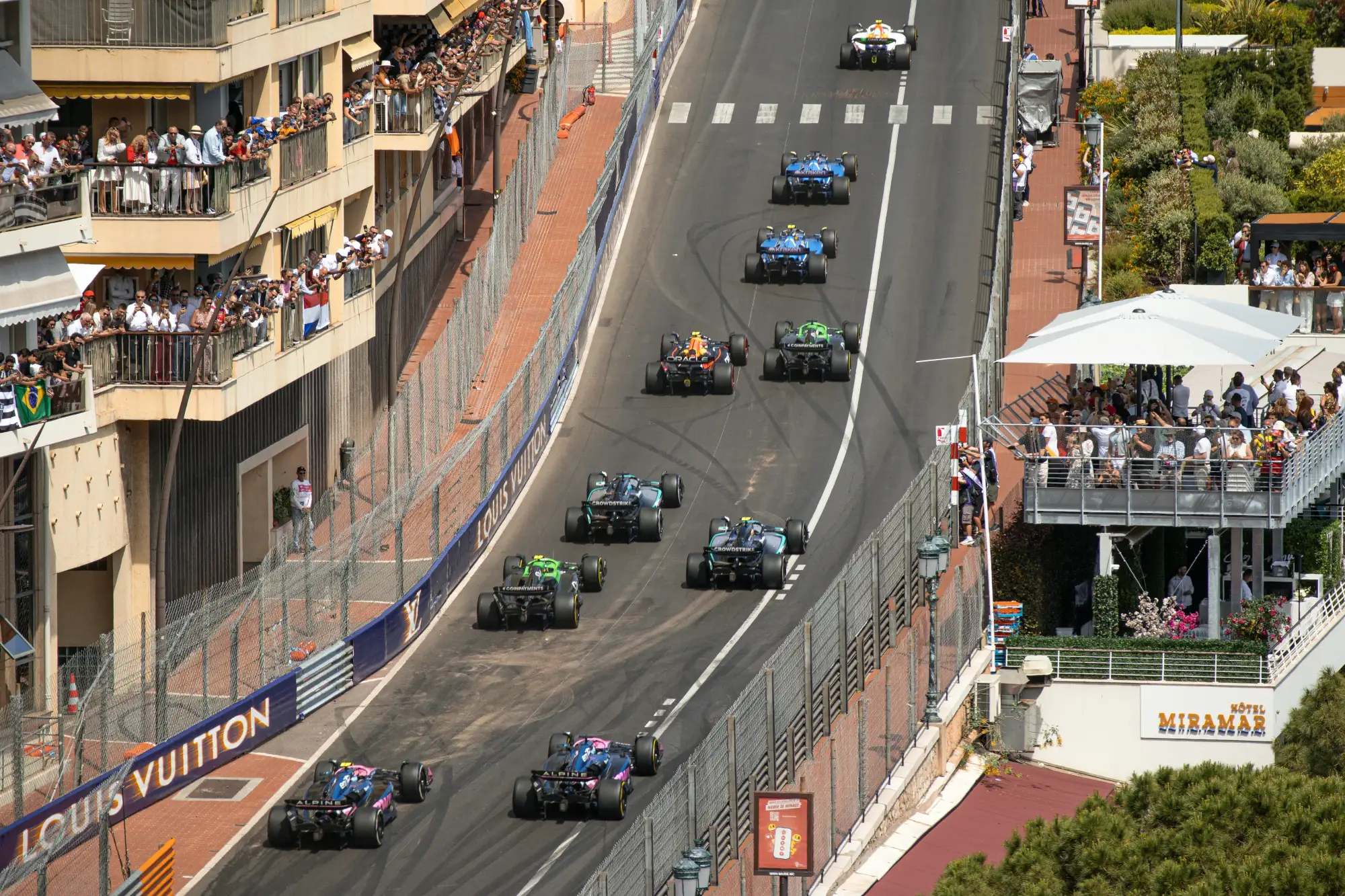
2024 was his best individual season. He won three races: Monaco, Monza again, and Austin. The Monaco win was the most emotionally charged.
He had taken pole at Monaco in 2021 and finished second. He had taken pole in 2022 and been called in for a strategy change during a safety car that removed him from contention. He had had mechanical failures and first-lap incidents in subsequent years. In 2024 he finally won, on the streets of the principality where he was born, in front of the people who had watched him grow up. He crossed the line and could barely speak.
He finished third in the championship with 356 points, his highest total to date. Ferrari narrowly missed the Constructors' Championship, losing to McLaren by 14 points.
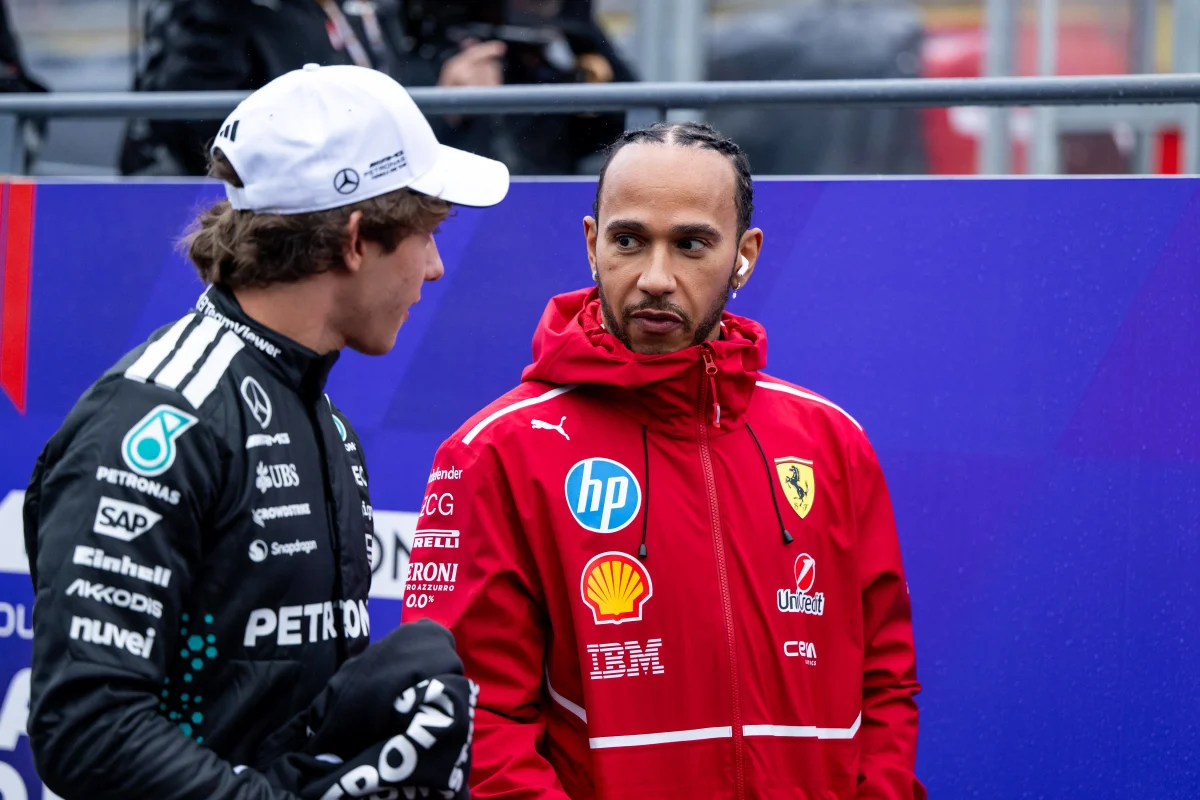
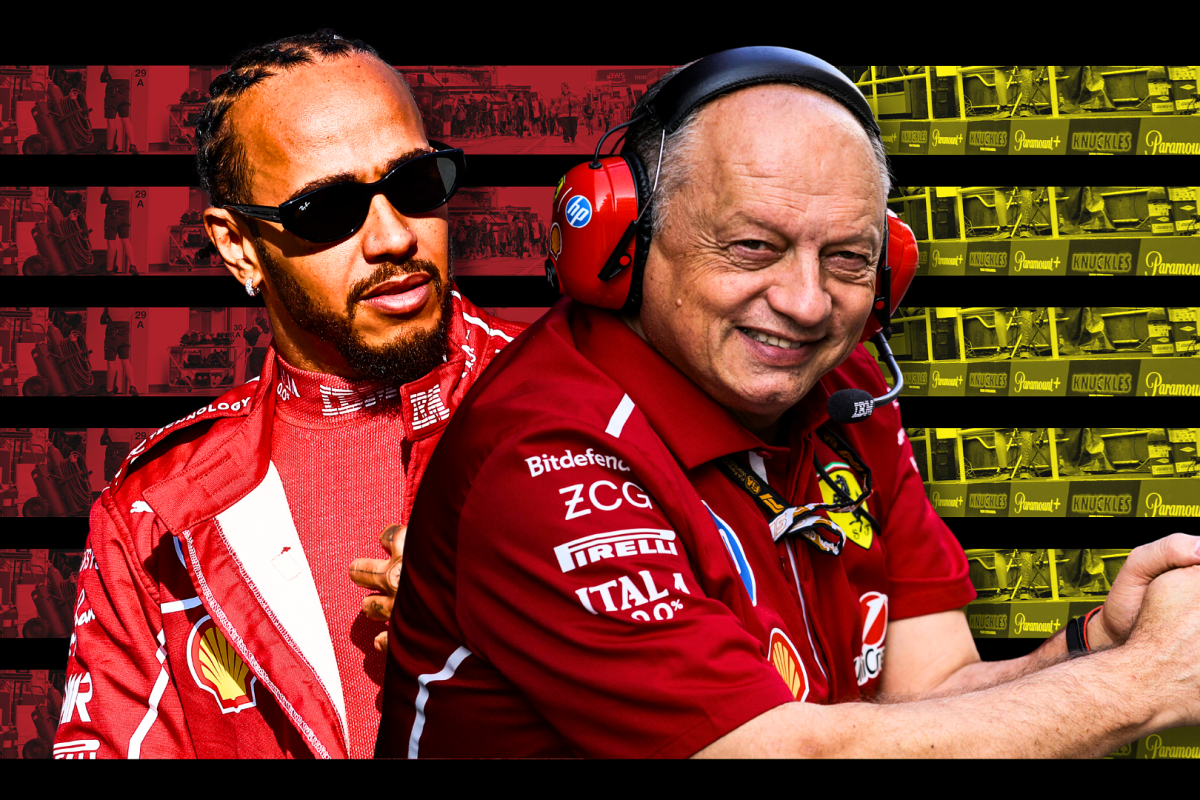
Ferrari signed Lewis Hamilton for 2025 in one of the sport's most significant driver transfers in years. Leclerc and Hamilton became teammates. Ferrari stopped developing the SF-25 at the end of April to redirect all resources toward the 2026 regulation changes.
Leclerc finished fifth in the championship. He salvaged seven podiums from a car that was not being developed. Ferrari chairman John Elkann told both drivers publicly to "talk less" and focus on driving, and described elements of the team as "not up to par." It was a difficult year for the team and an honest public assessment of the situation.
Leclerc has been direct about what 2026 represents. He said it himself: "it is now or never" for his world championship with Ferrari.
He is contracted to Ferrari until at least the end of 2026. He is 28. The technical regulations reset the entire grid, giving every team an equal opportunity to build something new. Ferrari spent the second half of 2025 developing the SF-26 rather than chasing results in the current car. Leclerc entered 2026 pre-season testing describing a new energy and sense of purpose within the team.
He has spent his entire F1 career at Ferrari or in Ferrari's ecosystem. He has 27 pole positions, eight wins, and one runner-up championship to show for it. He has also lost his godfather, his father, and his closest friend before reaching the peak of his career. He carries their names in his own.
The title would mean everything. He has said so. It is now or never.
Leclerc collaborated with French pianist Sofiane Pamart on an extended play titled Dreamers, released in 2024. The EP peaked at number two on the Billboard Classical Albums chart, a genuine commercial and artistic achievement that goes far beyond the typical celebrity side project.
He is involved in charitable work related to cancer research, a cause with direct personal meaning given his father's death. He has also participated in environmental advocacy programmes.
Leclerc lives in Monte Carlo, where he was born and where he races the Monaco Grand Prix each year on streets he has known his whole life. He is married to Alexandra Saint Mleux. He has two brothers.
He is modest in the way that people who have genuinely suffered tend to be. He has spoken openly about the losses of Bianchi, his father, and Hubert, and about racing being the mechanism through which he processes grief. He has never used that framing as a marketing statement. It is simply how he describes his experience.
| Year | Team | Races | Wins | Podiums | Points | Position |
|---|---|---|---|---|---|---|
| 2018 | Sauber | 21 | 0 | 0 | 39 | 13th |
| 2019 | Ferrari | 21 | 2 | 10 | 264 | 4th |
| 2020 | Ferrari | 17 | 0 | 2 | 98 | 8th |
| 2021 | Ferrari | 22 | 0 | 2 | 159 | 7th |
| 2022 | Ferrari | 22 | 3 | 11 | 308 | 2nd |
| 2023 | Ferrari | 23 | 0 | 6 | 206 | 5th |
| 2024 | Ferrari | 24 | 3 | 13 | 356 | 3rd |
| 2025 | Ferrari | 24 | 0 | 7 | 175 | 5th |
| 2026 | Ferrari | — | — | — | — | In progress |
Career totals: 8 wins, 27 poles, 50 podiums, 174+ race starts
Last updated March 2026