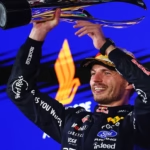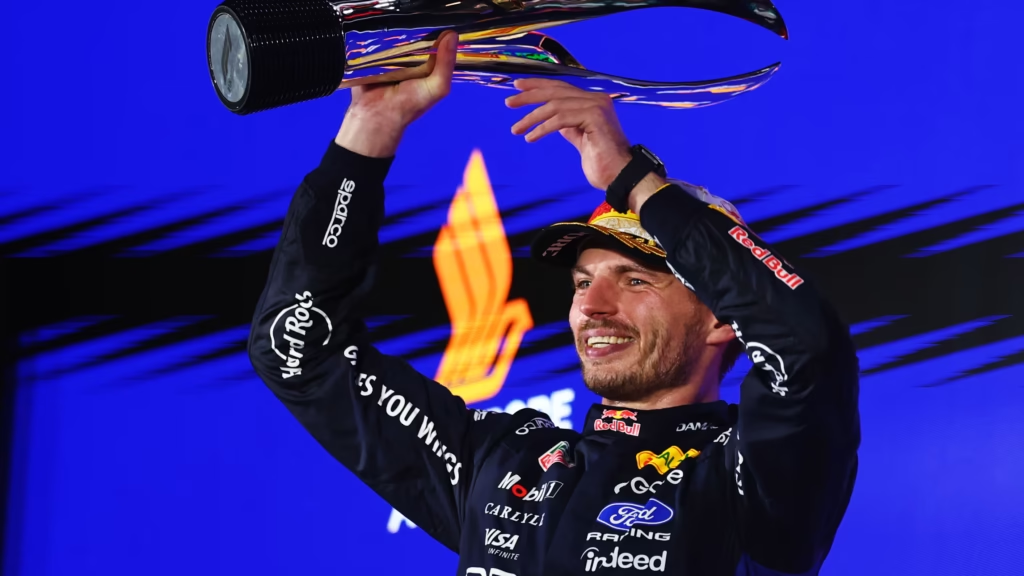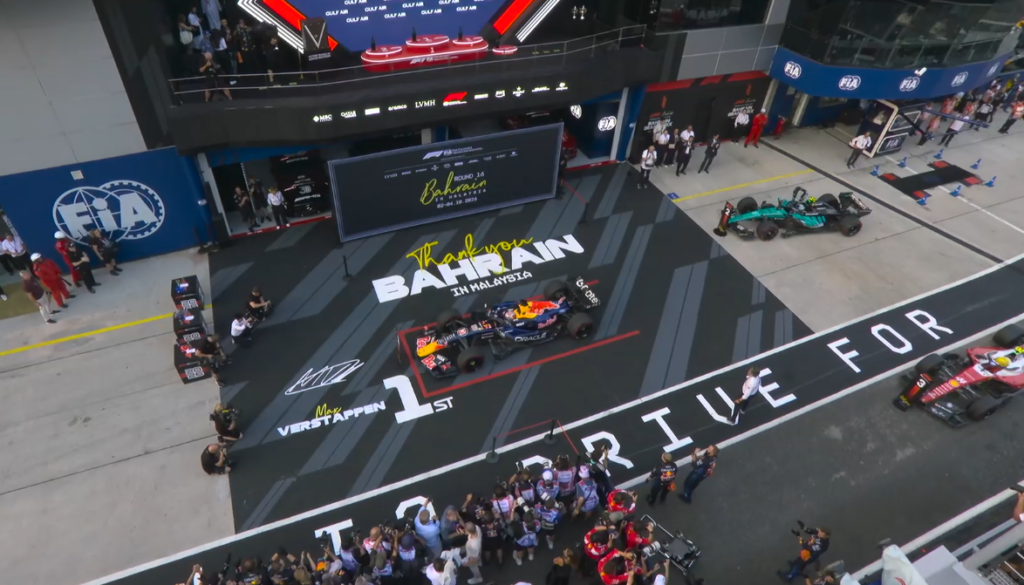

Lando Norris gets the trophy. Max Verstappen gets the champagne on the second step. But if you want to know who actually won the strategic argument in Budapest, it’s the woman who told Red Bull not to touch Verstappen’s tyres when every instinct in the garage was screaming to bring him in.
The moment that decided second place
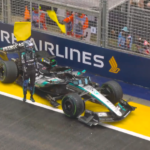
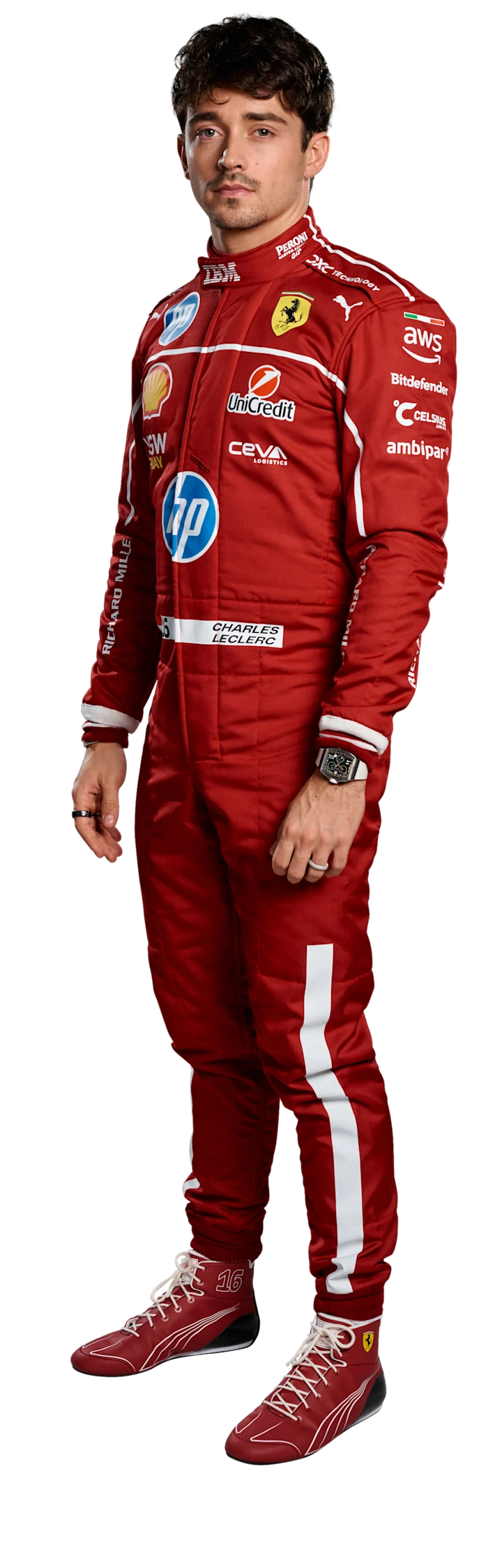
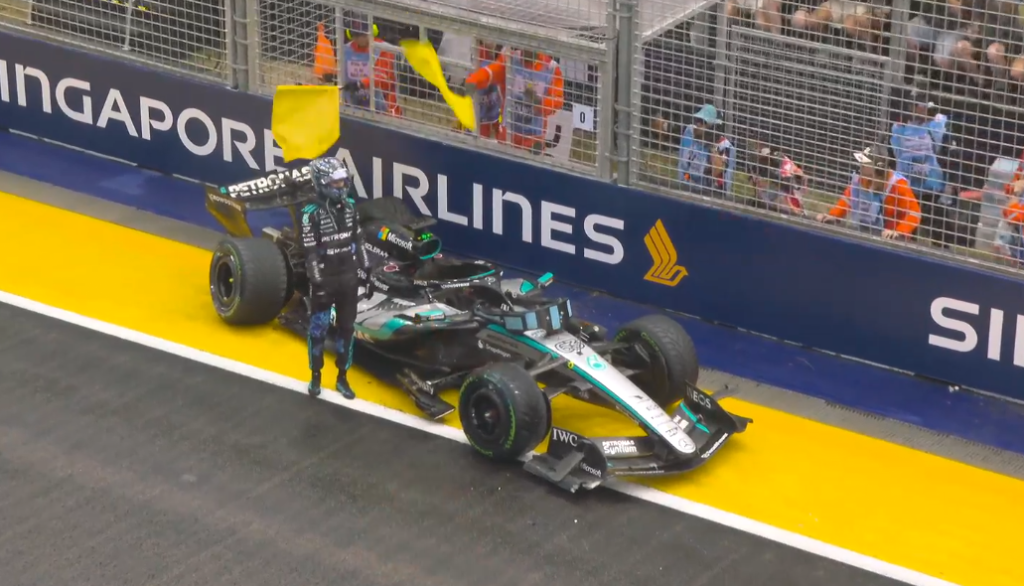
Lap 56. Oscar Piastri parks his McLaren at Turn 2 with a broken gearbox. Virtual Safety Car. In modern F1 this is normally the easiest “free” pit stop of the season, a call so obvious that teams barely discuss it, they just do it. Norris ducked in for used softs to protect the lead. Hamilton came in too. So did Leclerc. Three cars, three fresh sets, three teams doing the standard, low-risk, nobody-gets-fired-for-this move.
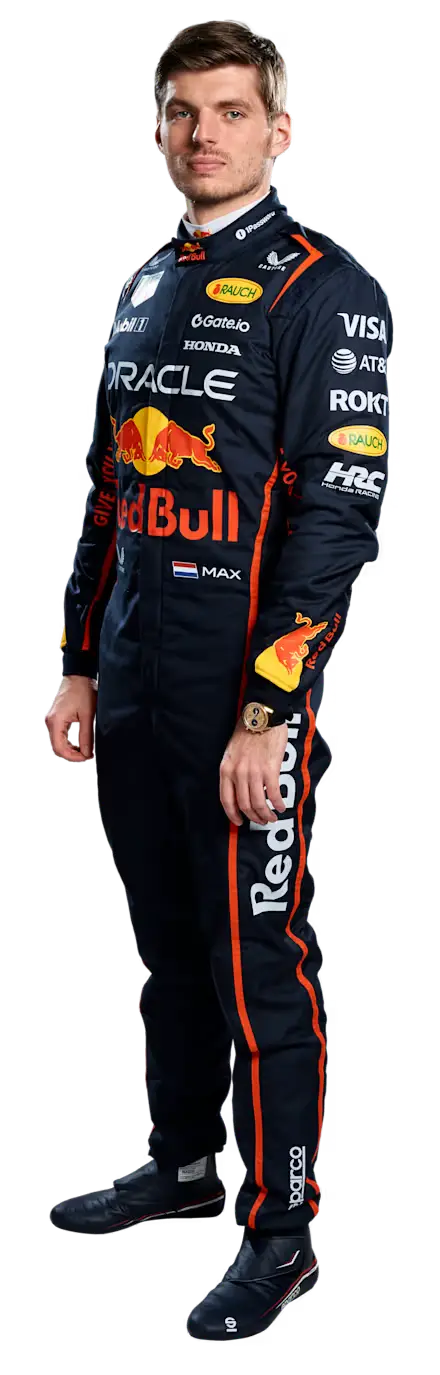
Red Bull didn’t. Hannah Schmitz’s pit wall looked at tyres that had already done the best part of a full stint under thermal degradation on one of the hardest tracks of the year on the compound to manage, and decided to leave Verstappen out there on them anyway.
Formula1.com’s own post-race verdict on the Red Bull garage put it plainly: putting Verstappen on softs for his final stint was inspired, and so was the decision not to pit him again under the VSC. That single non-decision (choosing to do nothing while three rivals did something) is what handed him the net lead over Hamilton and Leclerc the moment the VSC ended, and it’s what put him on the second step of the podium instead of fighting from fourth or fifth in traffic.
This wasn’t a fresh-tyre gamble, it was the opposite
Here’s what makes the call gutsier than it sounds. Verstappen’s final set of softs had already been on the car for roughly 14 laps by the time the VSC came out, and he’d go on to run that same set for 29 laps in total, the whole final third of the race, on a track where the tyre model is built around thermal degradation rather than gentle wear. Everyone else pitting around him under the VSC got a clean, cheap reset. Schmitz effectively said: no, we’re doubling down on tyres that are already past the point most strategists get nervous, because track position on a circuit where overtaking is close to impossible is worth more than a sticker set of rubber.
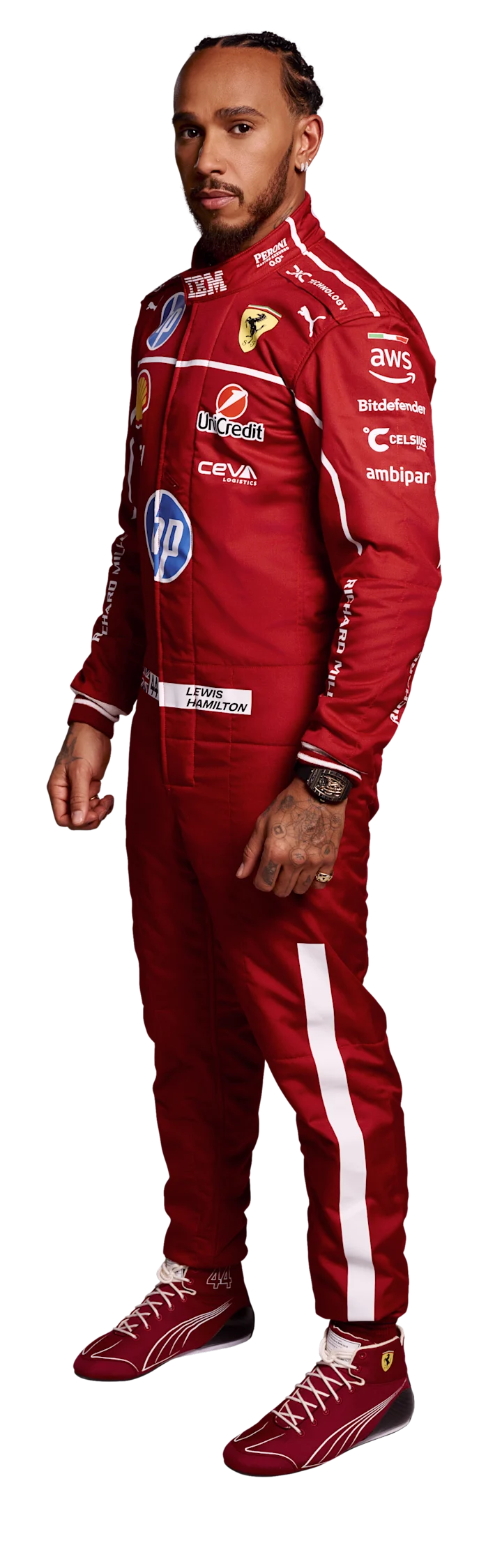
It could have gone horribly wrong. Ferrari team principal Fred Vasseur admitted afterwards that his own decision to pit Hamilton under that same VSC was explicitly built around watching how Verstappen’s ageing softs were coping, essentially using Red Bull’s gamble as the test case for whether Ferrari’s cars could survive out there too. Ferrari read it wrong, panicked, and Hamilton came out worse off, needing a fresh pit-lane speeding penalty of his own to complete a miserable strategic day. Red Bull read it right and didn’t blink.
Verstappen drove it, Schmitz called it
None of this works without Verstappen nursing genuinely tired tyres for the last 12 laps while Antonelli and Hamilton closed in behind him, at one stage down to single digits before traffic swallowed their charge. That part is all driver. But the reason he was even in position to defend for second, rather than pitting into a queue of traffic like everyone else, comes down to a strategy call made in the seconds after Piastri’s car stopped moving.
It’s not the first time Schmitz has made her name on exactly this kind of nerve. She’s the strategist Verstappen once called “insanely calm” after a previous Hungaroring masterclass, and the one who talked Red Bull into a third pit stop at Interlagos that looked reckless in the moment and looked like genius by the flag. Hungary 2026 fits the same pattern: do the unfashionable thing, trust the data over the noise on the radio, and let the result do the talking afterwards.
The scoreboard doesn’t lie
Verstappen’s P2 was his best Hungary result since 2023 and back-to-back podiums after Belgium, in a car he has spent most of this season publicly complaining about, “broken,” “undriveable,” take your pick of the quotes. On pure raw pace over a lap, this was not a Red Bull that had any business finishing ahead of Hamilton, Leclerc, or a fast-starting Antonelli. It finished ahead of all three because one strategist did the harder thing, staying still, when the easy move was to pit and reset like everybody else.
Norris drove a clean, near-mistake-free race and deserved his win. But the most consequential decision of the Hungarian Grand Prix wasn’t made by a driver at all. It was made on the Red Bull pit wall, by the person who decided that ageing tyres and a bit of nerve were worth more than a fresh set and the comfort of doing what everyone else was doing.
Worth remembering too: this is the same strategist Ferrari have reportedly been circling to poach, alongside the McLaren raid that already took Lambiase, Marshall and Courtenay out of Milton Keynes. For more on that whole saga, see Red Bull Is Being Dismantled From Two Sides, And Nobody Is Talking About It on Formula Daily.