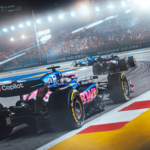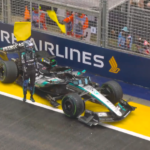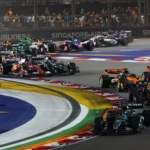

Formula 1 is back. After a month long gap forced by the cancellation of the Bahrain and Saudi Arabian Grand Prix, both scrapped due to the ongoing conflict involving Iran, the paddock is finally descending on the Hard Rock Stadium circuit for the Miami Grand Prix. But just as the sport prepares to get going again, the Florida sky may have other ideas.
Weather forecasts for race day on Sunday, May 4th, are raising eyebrows across the paddock. Meteorologists are pointing to 100% cloud cover, a 37% chance of rain that is expected to climb as the weekend progresses, and the very real possibility of thunderstorms rolling in during the race window. Temperatures will sit around 32°C, but with humidity touching 39%, the conditions could turn heavy and unpredictable in a matter of minutes, as anyone familiar with Miami’s climate would know all too well.
What makes this particularly intriguing is that, since Miami joined the Formula 1 calendar in 2022, we have never really seen F1 cars genuinely battle through serious rain there. The circuit, laid out around the NFL stadium complex, is a street-style layout that already presents its own challenges in the dry. Add standing water and a tropical downpour into the mix, and it becomes a completely different event.
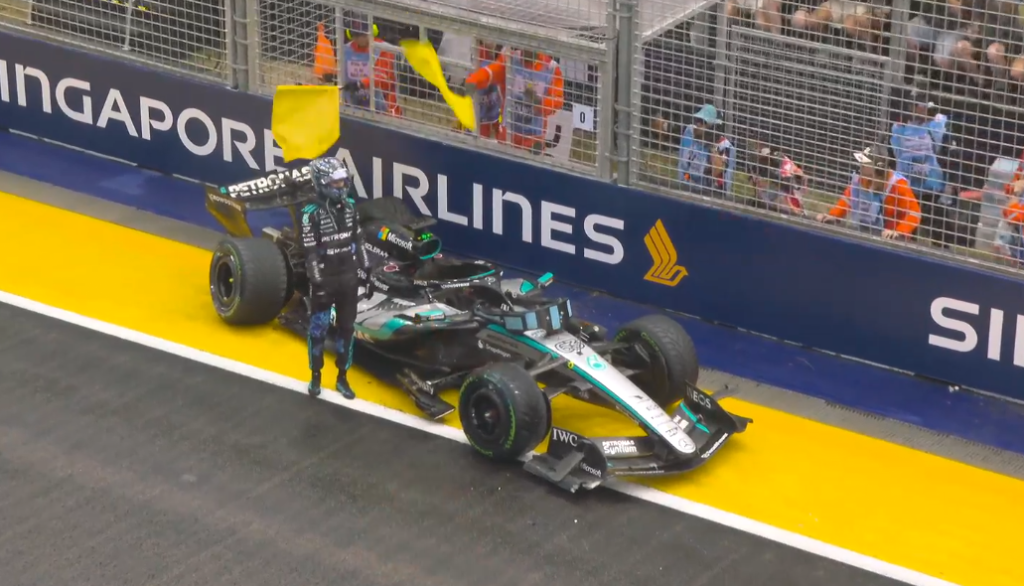
Race direction will be watching conditions extremely closely. F1 has strict protocols in place for lightning and severe electrical storms, protocols that, unlike ordinary rain, can actually halt or suspend proceedings entirely. It is not just about wet tyres and spray; if lightning is detected within a certain radius, activity on track stops, full stop. That is a scenario race fans and broadcasters will want to avoid, though the sport has contingency plans, including the option of pushing start times back or racing under red flag conditions and restarting.
The timing also adds extra weight to whatever happens this weekend. Miami was always going to feel like a relaunch of the 2026 season, the first race after the regulation clarifications issued by F1 and the FIA, the first chance to see where the true competitive order sits after teams spent the extended break furiously developing their cars. McLaren, for instance, is arriving with a fundamentally reworked MCL40, looking to claw back ground on Mercedes and Ferrari. Other teams have brought significant upgrade packages of their own.
If rain intervenes on Sunday, all of that meticulous preparation gets thrown into a lottery. Strategy calls become guesswork, car characteristics matter less, and the margins that teams spent weeks chasing in the factory can disappear in an instant. Historically, wet races have produced some of the most memorable moments in grand prix history, and some of the most controversial.
Whether Miami 2026 joins that list is now largely in the hands of the weather. Teams are doing their homework on both dry and wet setups, but nobody controls what comes out of those Florida skies on race afternoon.
Keep your eyes on the forecast. This one could get very interesting, very fast.