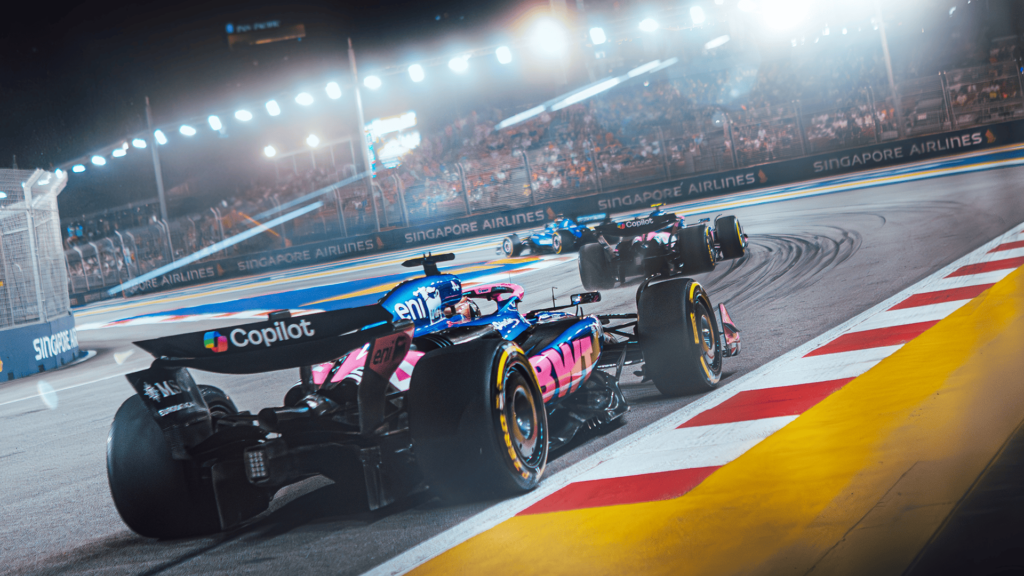

The end of the F1 summer break marks this weekend’s Dutch Grand Prix at one of the most demanding tracks, Zandvoort. This 259km long track is sure to deliver an unforgettable race, given that it is narrow, fast, and relies heavily on a series of flowing corners, with only a few genuine overtaking opportunities. Will the outcome of this Dutch Grand Prix be decided by weather conditions, pole position, new tactics or the latest car improvements?
Why is Zandvoort so difficult for overtake?
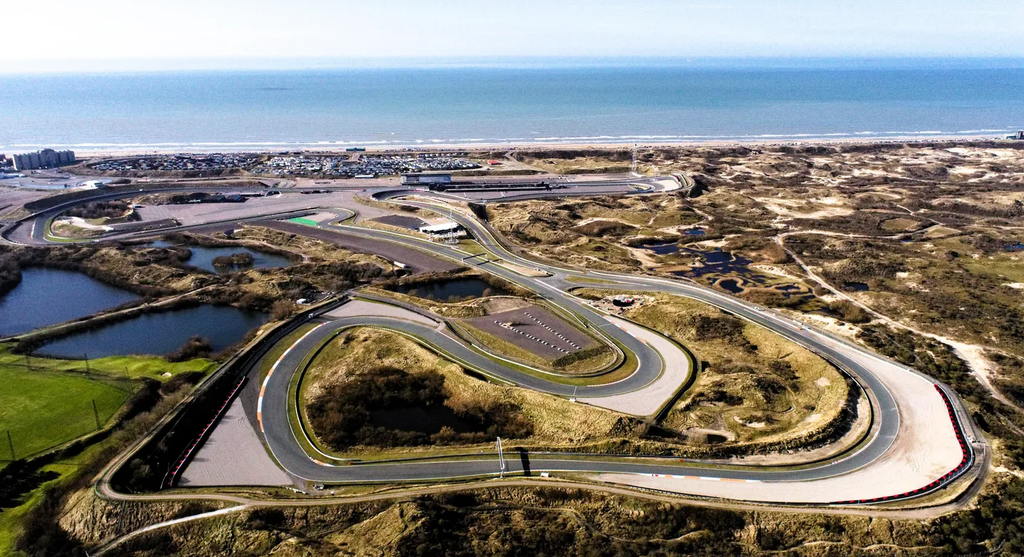
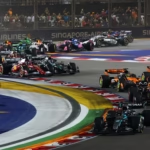
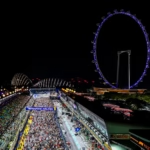
Taking into account the length of the track, as well as the fact that there are only 14 corners where drivers must be very careful in case of overtaking, the very start of the race can decide a lot. The drivers will have to prepare for this challenging track for one practice session and think of their overtaking tactics for the weekend. Formula 1 publicly states that the lack of long straights is a big problem in overtaking, and we can see that just from the pictures of the current Zandvoort track, looks complicated doesn’t it?
It will be difficult to accept that speed in most cases will not be a problem during the race, even if the driver is behind the car in front of him, it does not mean that he is slower, but that he will have to look for the right moment to overtake him, and if he does not succeed then, it can create a big time lag.
Surely one of the most important places is Tarzanbocht (Turn 1), which is located right at the end of the first direction. The drivers will come there at high speed, which means that braking in this curve requires space. The curve is wide enough, but they will have to use it thoughtfully, considering that it is presented as one of the smallest overtaking zones on the track. Turn 1 will not be the only chance for drivers to stand out and take their place on the track, there are also Turns 9 and 10, as well as the Hans Ernst chicane (11 and 12) which can mean drivers have to make a correction if they don’t use the first corners. Of course there are also banked turns at Turn 3 and 14, which will provide an opportunity for other routes that I can use. The important thing is that just in that last corner, by entering at high speeds, I can quickly enter the starting corner of the 1st Circuit Zandvoort, which was precisely the goal during the structuring of the track, to increase slipstream fights and overtaking on the already mentioned Tarzanbocht. This tells us about the advantages of banked bends if they are used wisely. The drivers will have to take into account that the position on the track is very important, they will not have time and space to say how they are right behind the car and how easily they will make up for it “in the next corner”, here they will have to think in milliseconds and react quickly and take action without thinking. Pirelli also talked about this last year, where he emphasized the importance of track position for the strategy of the race, what Nico Hulkenberg also talked about.
Does Pole Position Mean Victory?
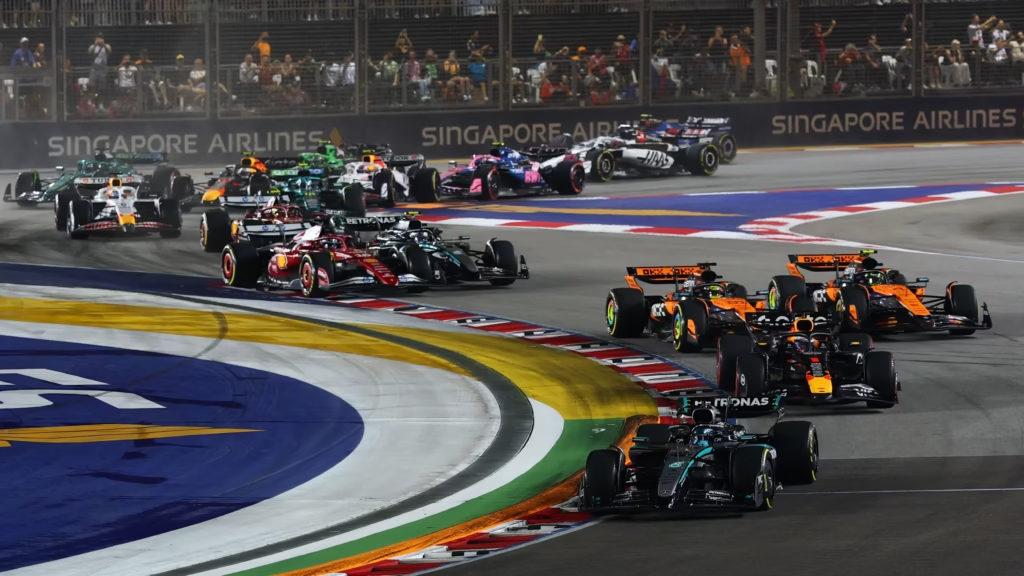
Keep in mind that from 2021 every winner started exactly from the pole position at the Zandvoort track, everyone is interested in whether it will be the same this time. We cannot say that overtaking is less important here, but they are concentrated, sometimes quite risky. From previous years, we can conclude that Turn 1 and 3 were used very well. In 2021, Fernando Alonso made two places right there at Turn 3 in the first lap and thus advanced from P9 to P7, while in 2022 Lando Norris passed at Turn 1 on the outside of Russell and also gained two positions because of it. By overtaking, Fernando managed again in 2023 to pass Sainz in the first lap through Turn 2/3 with a phenomenal performance and finish ahead of Russell and Albon through Turn 3, which was banked. It is here that we see that the place at the beginning does not have to mean anything for the end of the race and that it is of great importance to visualize all the possibilities before the start, as well as that tactics and plans must sometimes change at the speed of light, at Zandvoort everything is unpredictable.
When it comes to unpredictability, we have to take another factor into account, which is the weather. Zandvoort in the rain is not the same as usual. As it happened in 2023, the rain surprised everyone, the track got wet already during the first lap, which suggested the drivers to choose between slicks and intermediates. The weather made a big change in the positions, especially when the rain stopped, the overtaking came back and the order changed constantly. F1 itself described this race as “wet-weather chaos”. The race was even stopped at one point, the interruption lasted for a long 43 minutes, the race on the Zandvoort track is, in a word – unpredictable. Along with that, there is another question that bothers everyone in the eyes of the weekend, if the weather affected the unpredictability of the race, what will the new improved cars and the Sprint format do this year?
But What is Different This Year at Zandvoort?
Since the teams have a Sprint weekend. They will have only one training session, which makes it difficult to find a suitable setup for the new cars, which certainly makes the start itself more tense. In 2026, the cars are 30kg lighter, and they are even smaller precisely to make them more agile and to improve racing. It will probably mean it to the drivers in the curves. More space = more chances. The classic DRS has been replaced by active aerodynamics that will change the wing configuration between straights and curves, which makes a lot of difference.The cars can also now better follow the car in front due to the new aerodynamic rules, which will mean a lot to them on this track. But that’s not all, there is also a new overtaking mode that allows the driver who is close enough to get additional electric power if he tries to overtake. It will be interesting to watch, the audience will certainly be delighted, but also confused, everything will change very quickly, nothing will be for sure during the race. Given that the cars are no longer the same, the track will represent something totally unknown to the drivers until the first practice session, which will also be the last one before the race.
This Weekend Will Give Answers to Everything
How will all these changes affect the holding and outcome of this year’s Dutch Grand Prix? What will the F1 winner have to do at the very beginning of the second part of the season on such a challenging track? These are just some of the questions that will interest us for a little while, and then the spectacle will follow with the return of all the biggest stars for the weekend and show us everything that kept us in suspense.